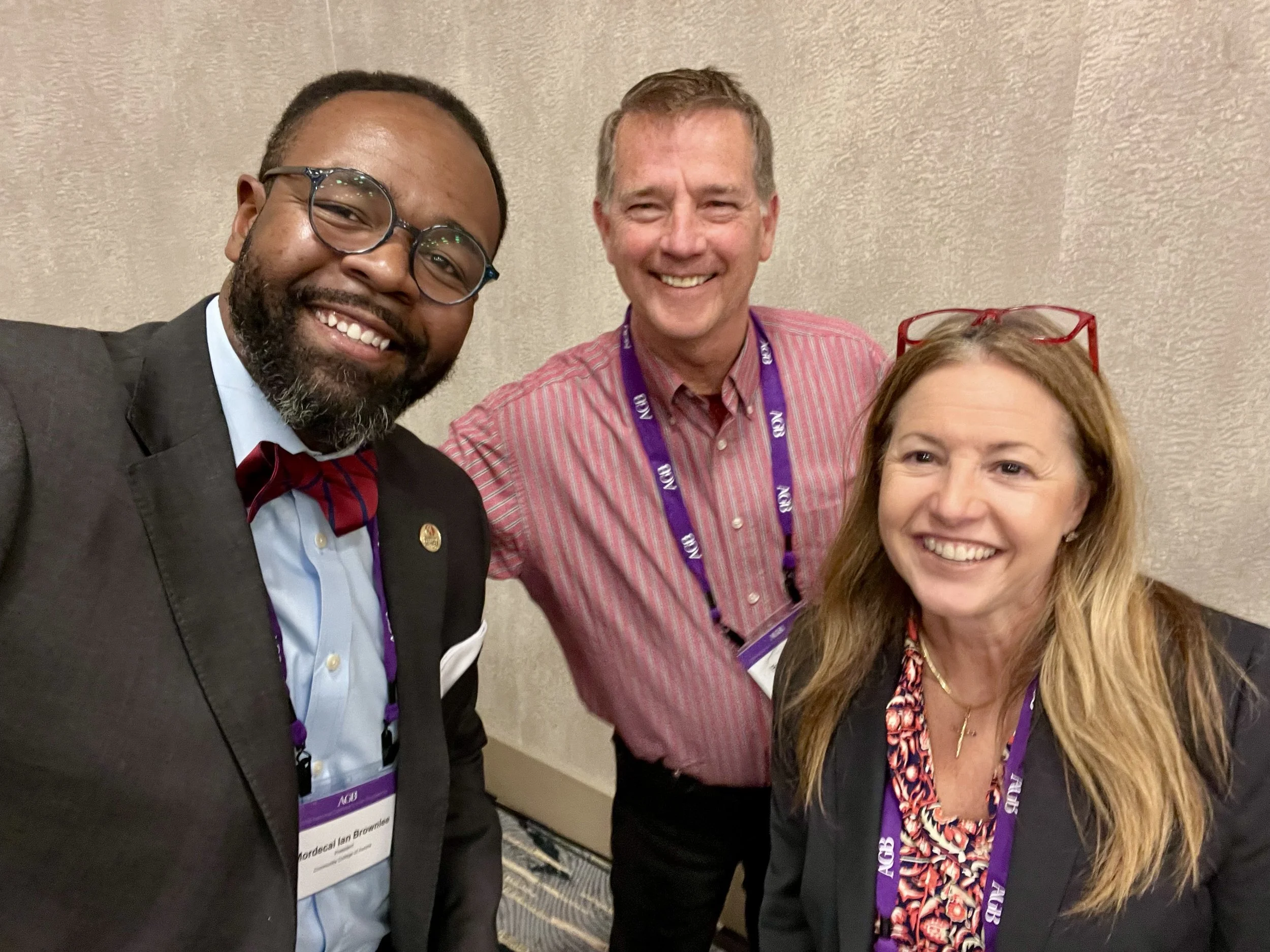
Dr. Mordecai Ian Brownlee, President of the Community College of Aurora, recently joined national higher education leaders at the AGB National Conference on Trusteeship to examine the rapidly evolving credential landscape in higher education and its implications for institutions, governing boards, and the future of workforce-aligned learning.
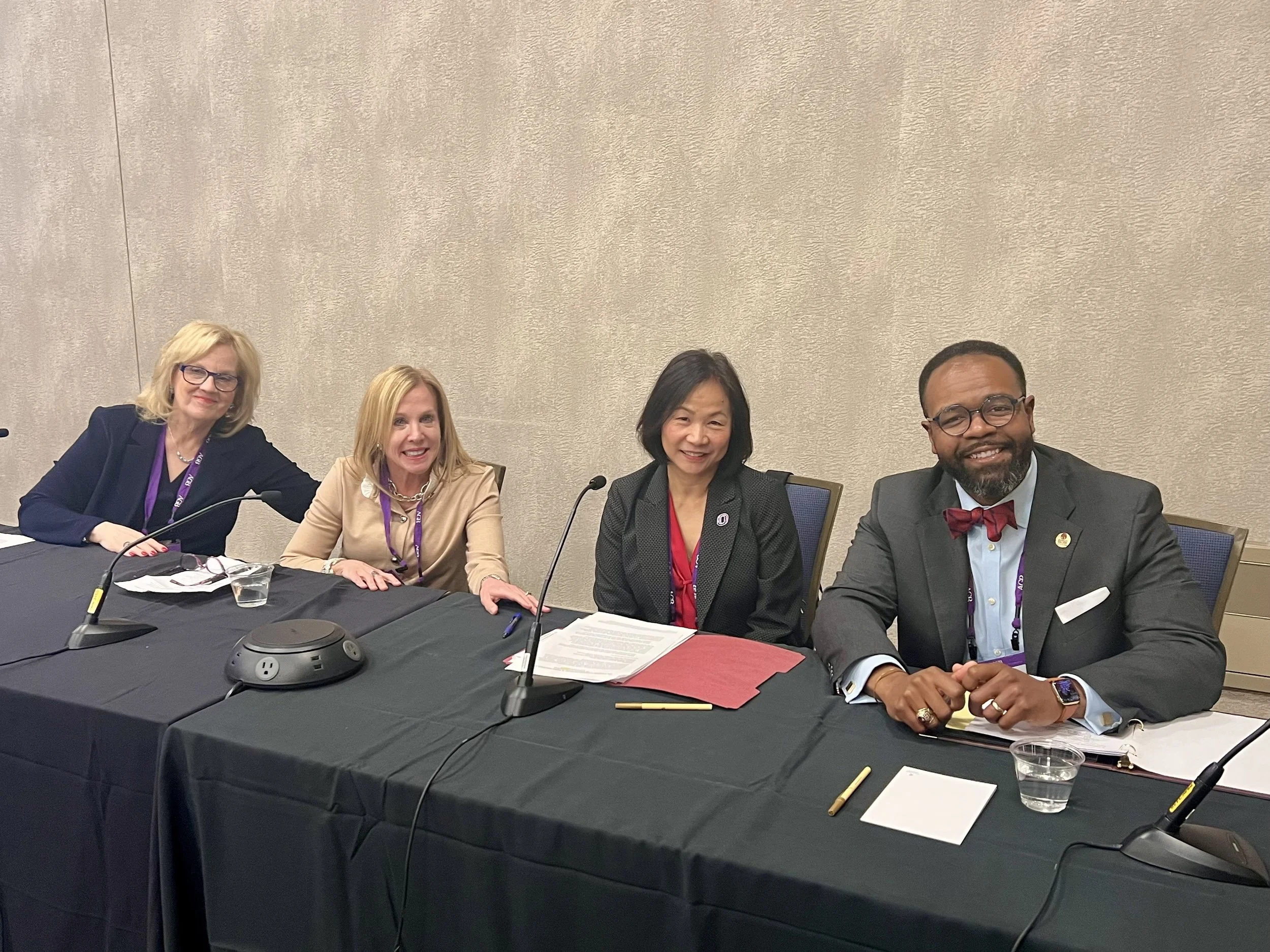
The featured session, “The Changing Credential Landscape in Higher Education: Impact on Trustees and Institutions,” convened prominent leaders from across the sector, including representatives from the Higher Learning Commission, University of Nebraska at Omaha, and Clark State College. The discussion centered on how colleges and universities must adapt to increasing demand for short-term credentials, skills-based education, and measurable student outcomes tied to employment and wage growth.
The Shift Toward Skills-Based Credentials and Workforce Outcomes
As the value of a traditional degree is increasingly scrutinized, institutions are rethinking how alternative credentials, including certificates and industry-recognized certifications, fit within academic portfolios and long-term strategic plans. Dr. Brownlee emphasized that higher education is undergoing a fundamental shift—from a system focused on credential attainment to one centered on skills validation and economic mobility.
“Workforce development is not a department—it is the mission,” said Dr. Brownlee. “Colleges must ensure that credentials lead to real opportunity, with clear pathways to employment, career advancement, and wage growth.”
This shift reflects broader national trends in skills-based hiring, employer demand for verified competencies, and the need for flexible, affordable pathways for working learners.
The Role of Community Colleges in the Future of Credentialing
Community colleges play a critical role in advancing workforce development and expanding access to short-term, stackable credentials. Under Dr. Brownlee’s leadership, the Community College of Aurora has prioritized aligning academic programs with regional labor market demand, strengthening employer partnerships, and designing pathways that connect education directly to economic outcomes.
By integrating skills-based credentials within degree programs, institutions can provide learners with both immediate workforce entry points and long-term academic advancement opportunities.
Trusteeship and Institutional Leadership in a Changing Landscape
The evolving credential environment also presents new responsibilities for governing boards. Trustees must ensure that institutional strategies reflect shifting expectations around return on investment in higher education, student success, and workforce alignment.
Dr. Brownlee highlighted the importance of governance that prioritizes outcomes, relevance, and accountability.
“Boards must ask different questions,” he noted. “What skills are students gaining? Who validates those skills? And what outcomes follow after completion?”
These questions are central to maintaining institutional relevance and ensuring that higher education continues to serve as a driver of economic mobility and community impact.
Accreditation, Innovation, and Maintaining Academic Quality
As institutions expand into short-term and alternative credentials, accrediting bodies such as the Higher Learning Commission play a vital role in ensuring that innovation occurs within a framework of academic quality and public trust.
Dr. Brownlee emphasized that innovation and quality are not competing priorities, but complementary forces that must be intentionally aligned.
“Academic quality and workforce relevance are not in tension—they are interdependent,” he shared.
National Leadership on the Future of Higher Education
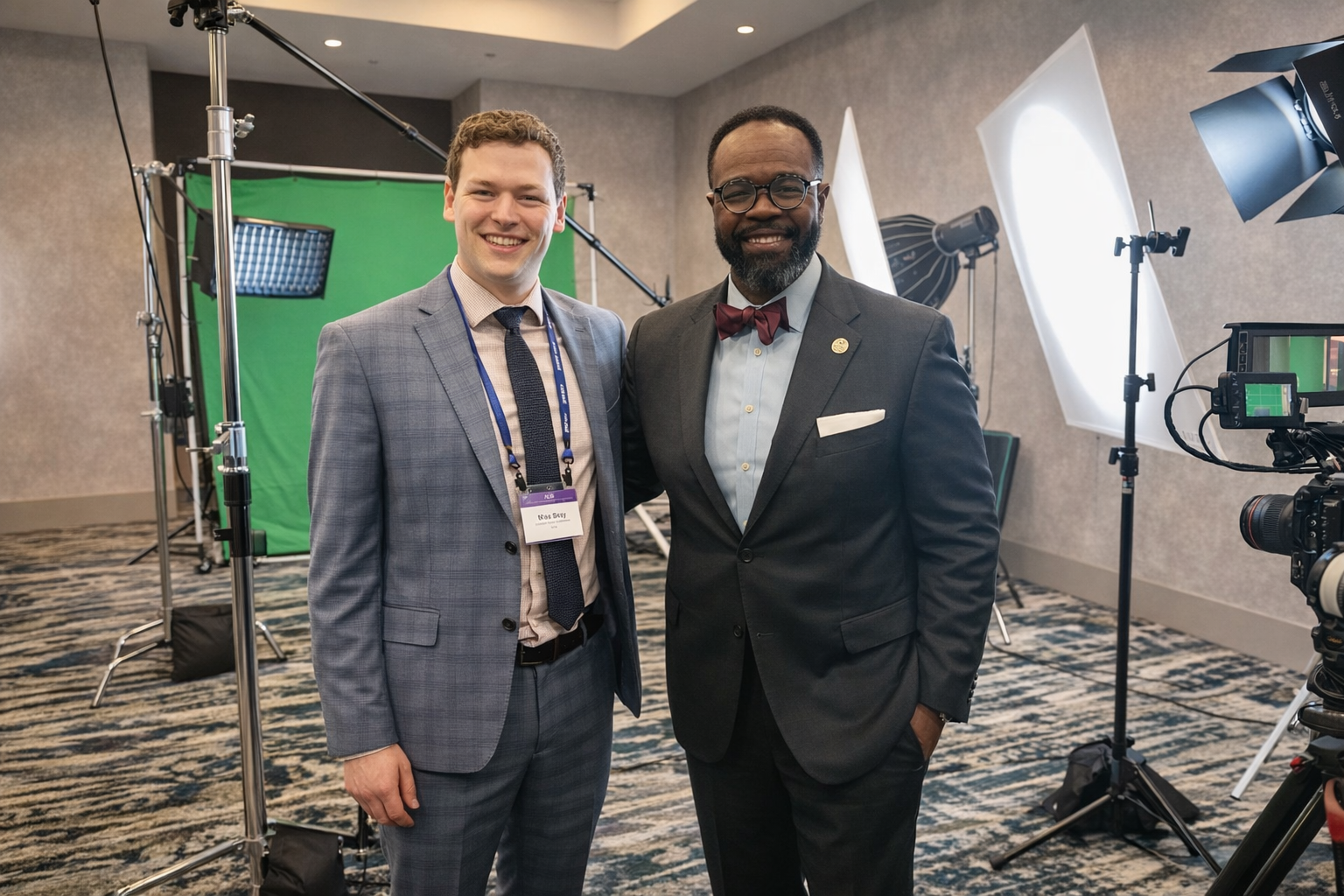
In addition to his participation on the panel, Dr. Brownlee was interviewed to share his perspective on the future of higher education credentialing, including the role of institutions in building skills-based talent pipelines, strengthening employer partnerships, and redesigning systems to better serve today’s learners.
His contributions to the national dialogue reflect a broader commitment to advancing institutional transformation, workforce-aligned education, and the role of community colleges as engines of opportunity and economic growth.
As higher education continues to evolve, leaders like Dr. Brownlee are helping shape a future where credentials are not only earned—but where they lead to meaningful, measurable outcomes for students, families, and communities.