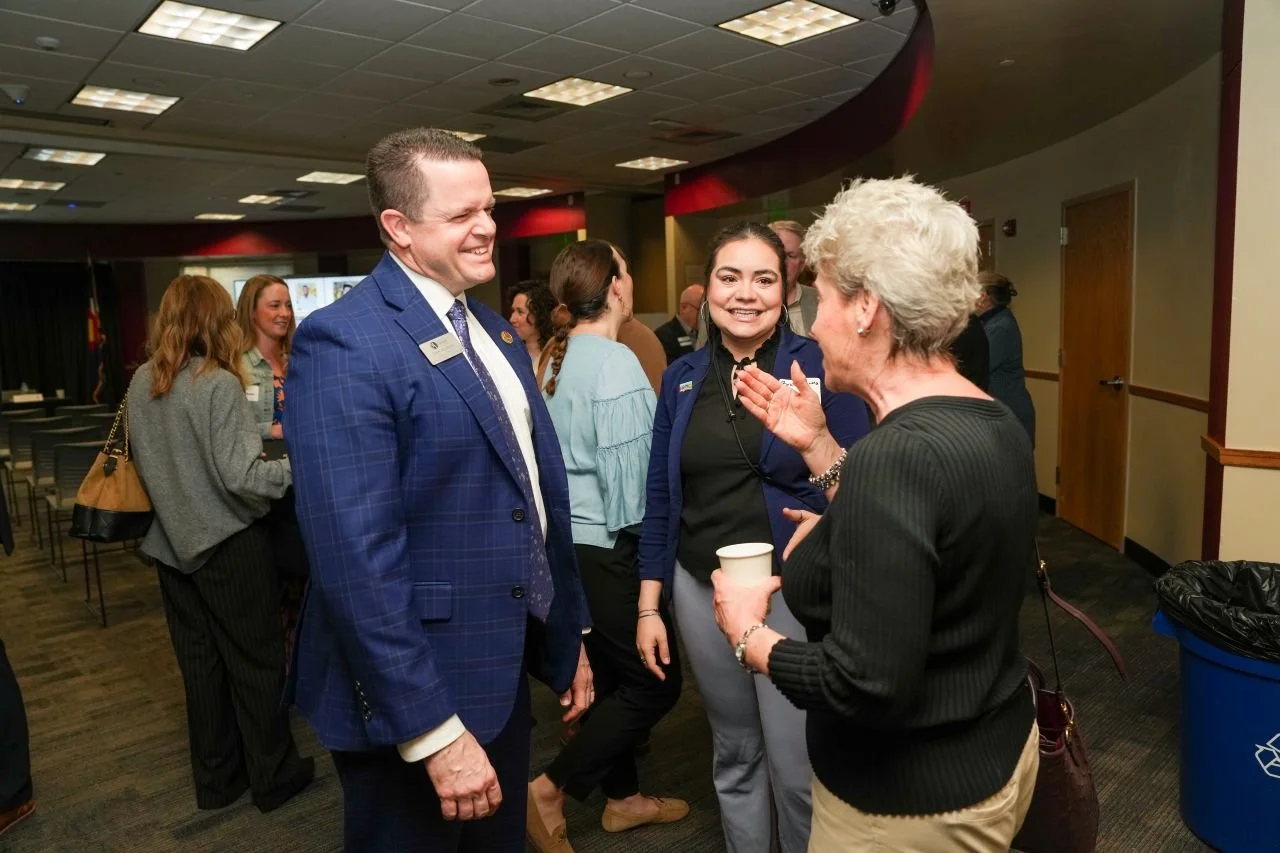
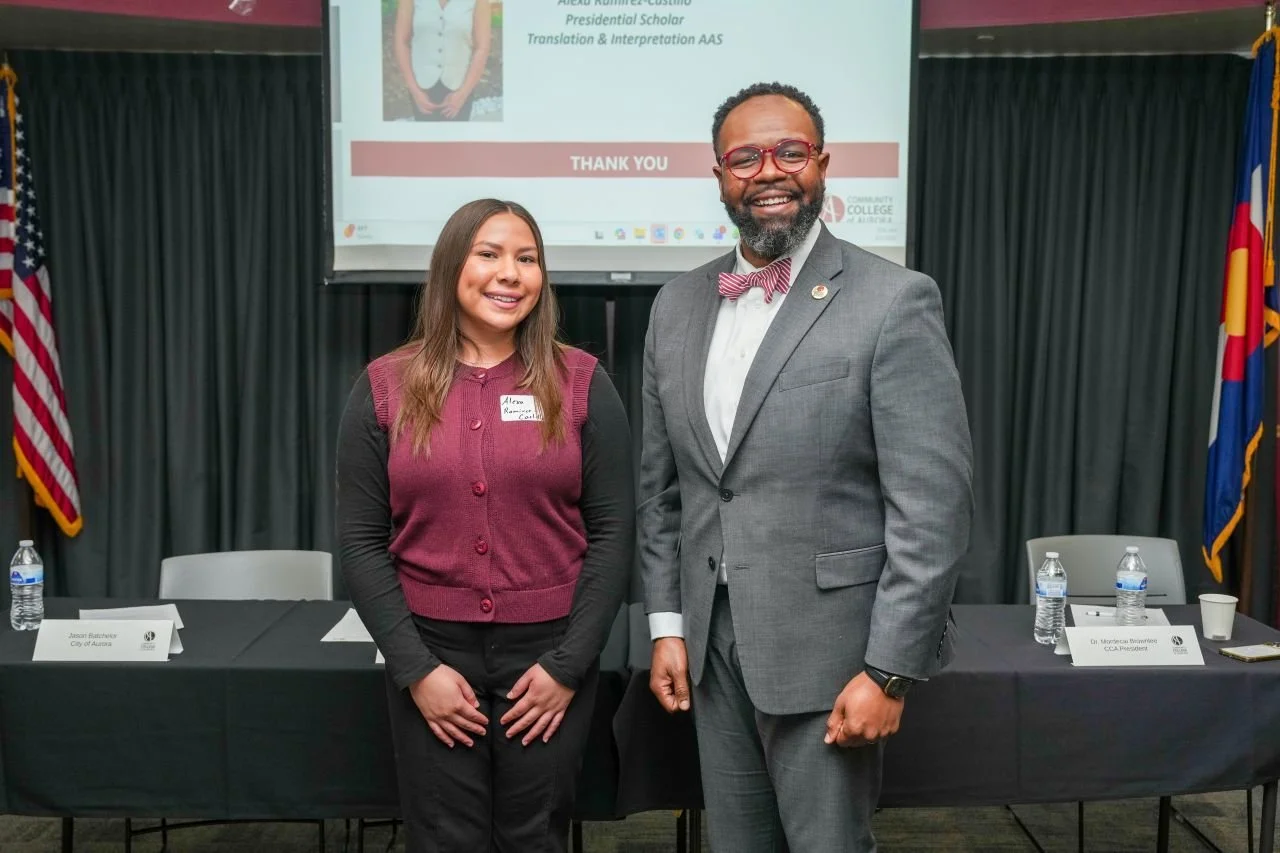
Last week, Dr. Mordecai Brownlee, President of the Community College of Aurora, joined civic leaders, community partners, and philanthropic supporters to celebrate the launch of the President’s 1983 Society, an initiative recognizing donors who invest in student success and the future of the Aurora community.
Named in honor of the college’s founding year, the President’s 1983 Society recognizes individuals who contribute $1,000 or more annually to support scholarships, emergency student aid, and programs that expand economic mobility for Community College of Aurora students.
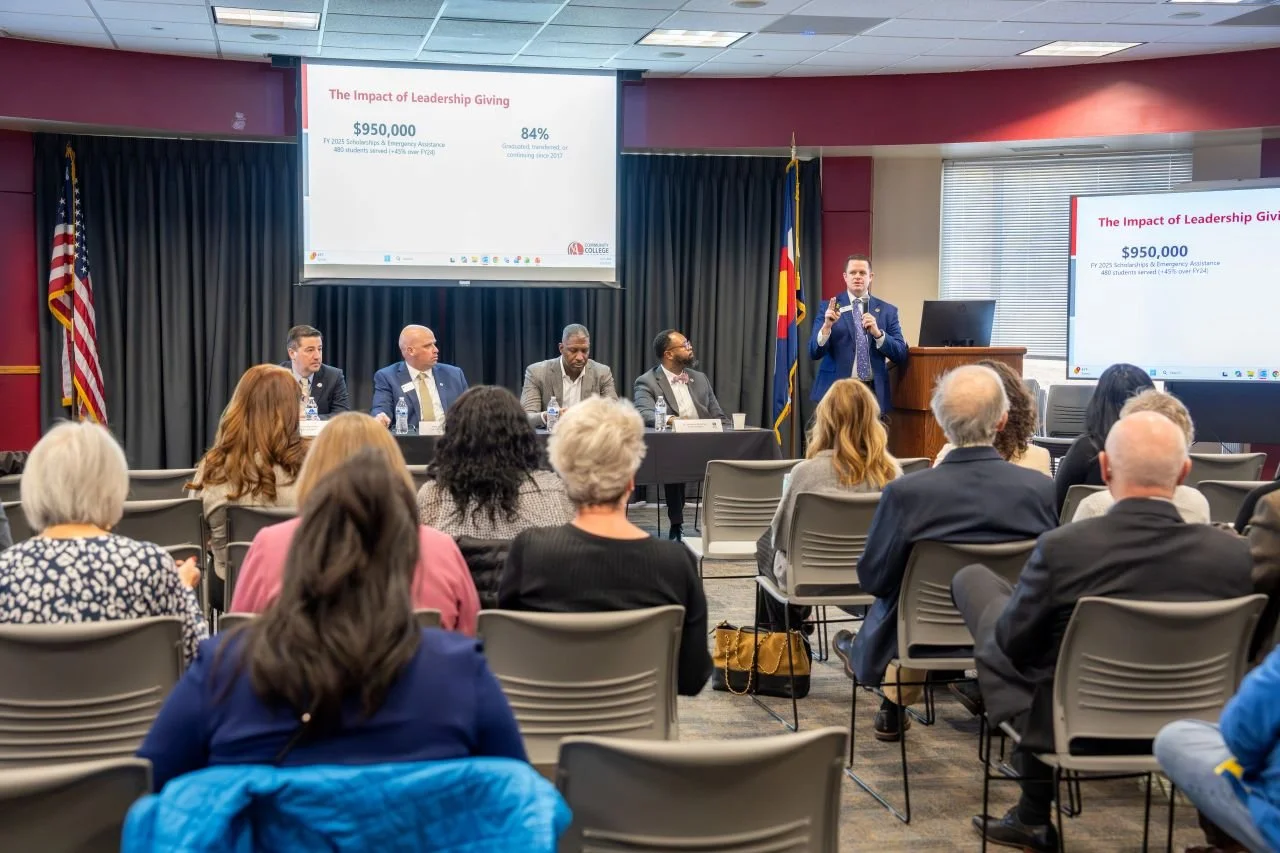
With the continued partnership of the Community College of Aurora Foundation, philanthropic support for students has reached historic levels. In Fiscal Year 2025 alone, the institution awarded more than $950,000 in scholarships and emergency student assistance, helping students overcome unexpected barriers and remain on track toward completing their educational goals. The college is currently on pace to surpass $1 million in student support this year, further strengthening CCA’s commitment to expanding opportunity and advancing economic mobility across the region.
Reflecting on this milestone, Dr. Brownlee expressed his appreciation for the community of supporters who make this impact possible. He shared his sincere gratitude to the Community College of Aurora Foundation, its Board of Directors, Executive Director John Wolfkill, Foundation staff, and the many champions whose generosity continues to invest in the success of CCA students.
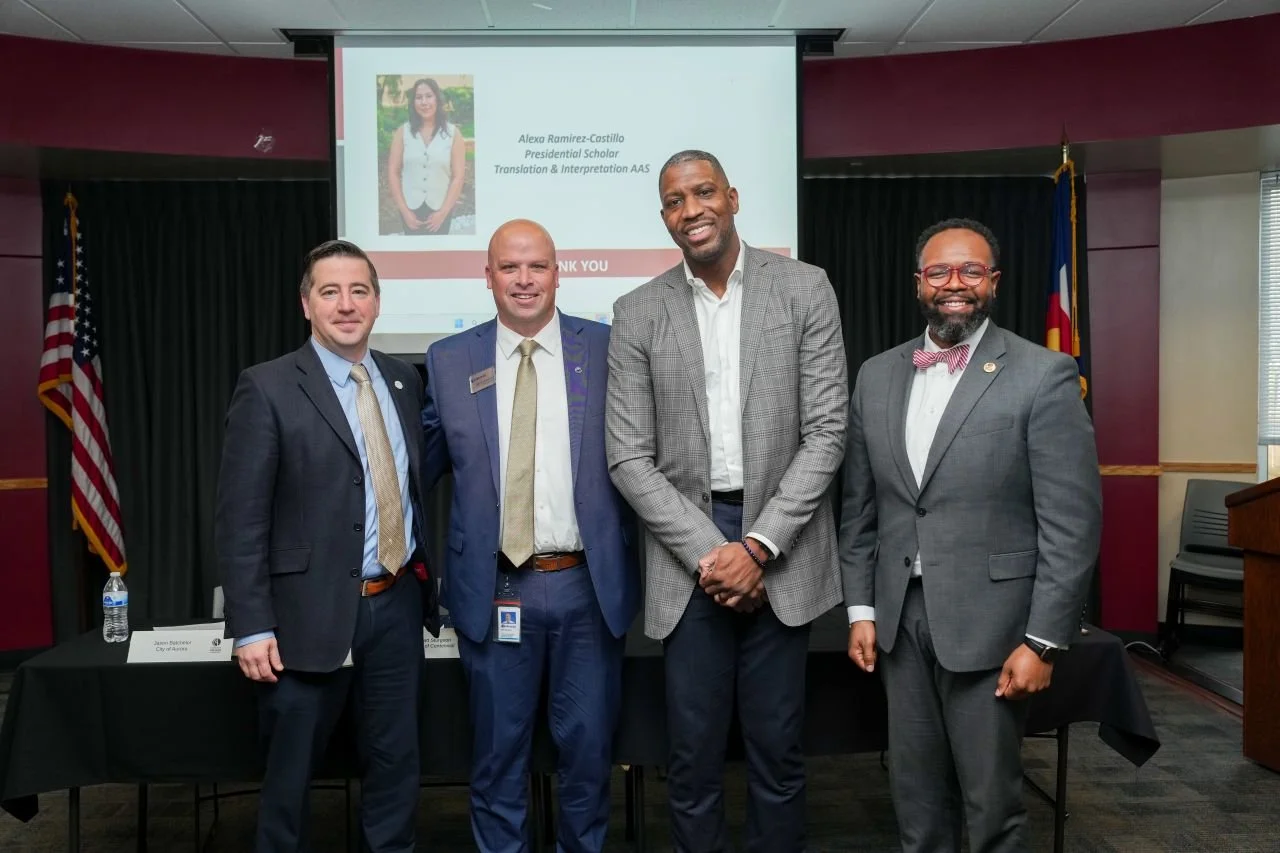
As part of the event, Dr. Brownlee also moderated a panel discussion featuring three regional city managers who are helping shape the economic future of the Denver metro area:
Jason Batchelor, City Manager of Aurora
Matt Sturgeon, City Manager of Centennial
Jason Rogers, City Manager of Commerce City
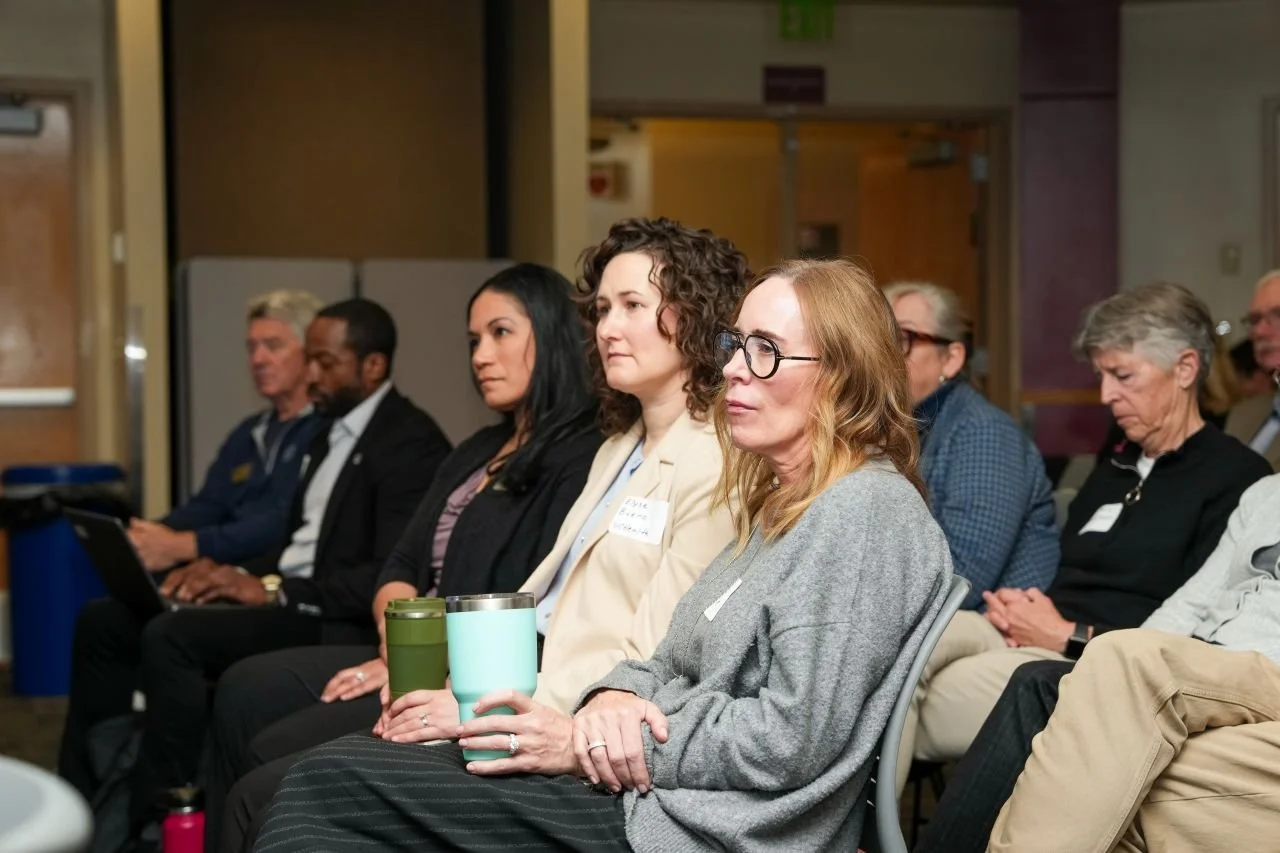
The discussion explored the economic signals shaping the region, the importance of workforce readiness, and the growing role that partnerships between cities, employers, and community colleges play in building strong workforce pathways and inclusive economic growth.
Throughout the conversation, Dr. Brownlee emphasized that community colleges are uniquely positioned to connect education, industry, and civic leadership in ways that strengthen both individuals and communities.
“When education, civic leadership, and community investment align around a shared mission,” Dr. Brownlee noted, “we do more than educate students. We expand opportunity, strengthen our workforce, and help build brighter futures for entire communities.”