
Mordecai Brownlee named CSU vice president for Denver metro engagement and executive director of CSU Spur
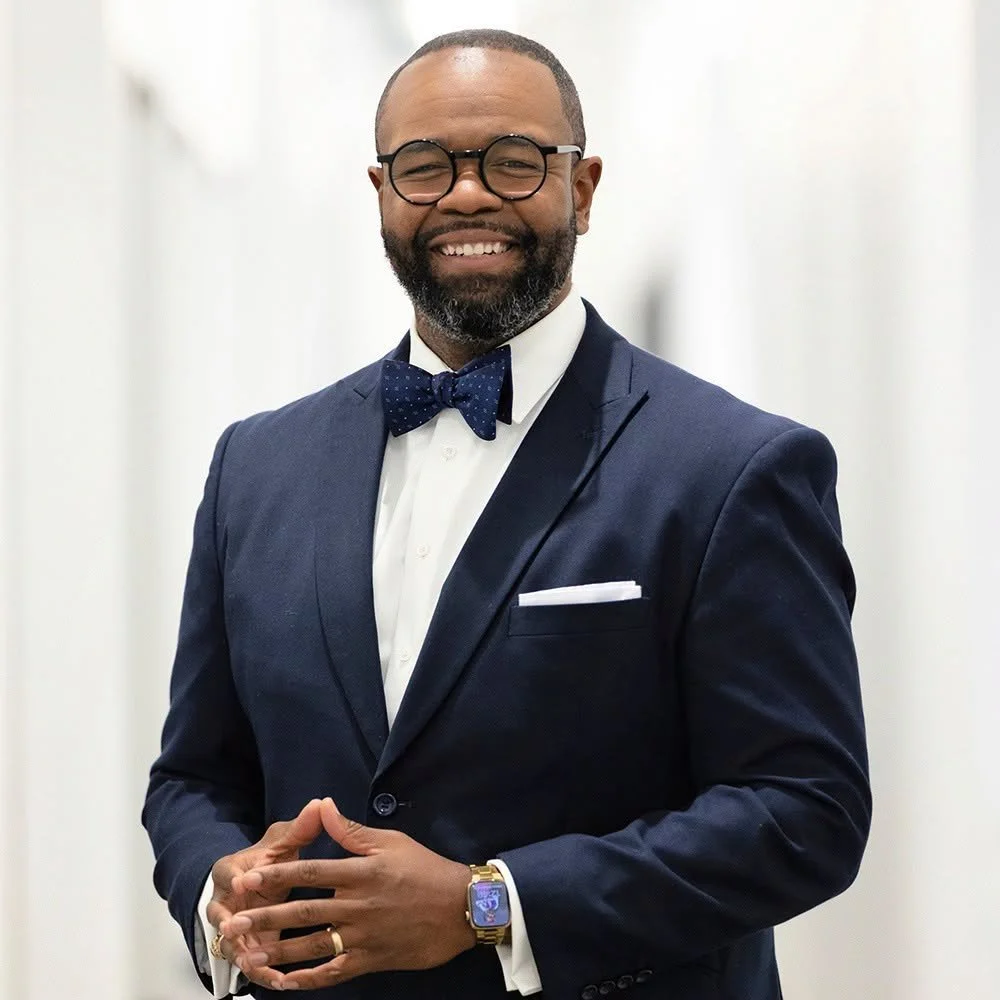
With a grateful and humble heart, I am honored to share that I will be joining Colorado State University as Vice President for Denver Metro Engagement and Executive Director of CSU Spur.
Serving the Community College of Aurora as its sixth President has been one of the greatest privileges of my life. I am now deeply honored to have been entrusted with this opportunity to serve CSU and CSU Spur under the leadership of President Amy Parsons.
To the communities across Colorado, thank you for trusting me to help advance postsecondary education and opportunity throughout our state and beyond. I remain humbled by the privilege to serve. My new role begins January 1, 2027.
Read the announcement here: https://source.colostate.edu/mordecai-brownlee-named-csu-vice-president-for-denver-metro-engagement-and-executive-director-of-csu-spur/
President Mordecai Brownlee to Conclude More Than Five Years of Leadership at CCA
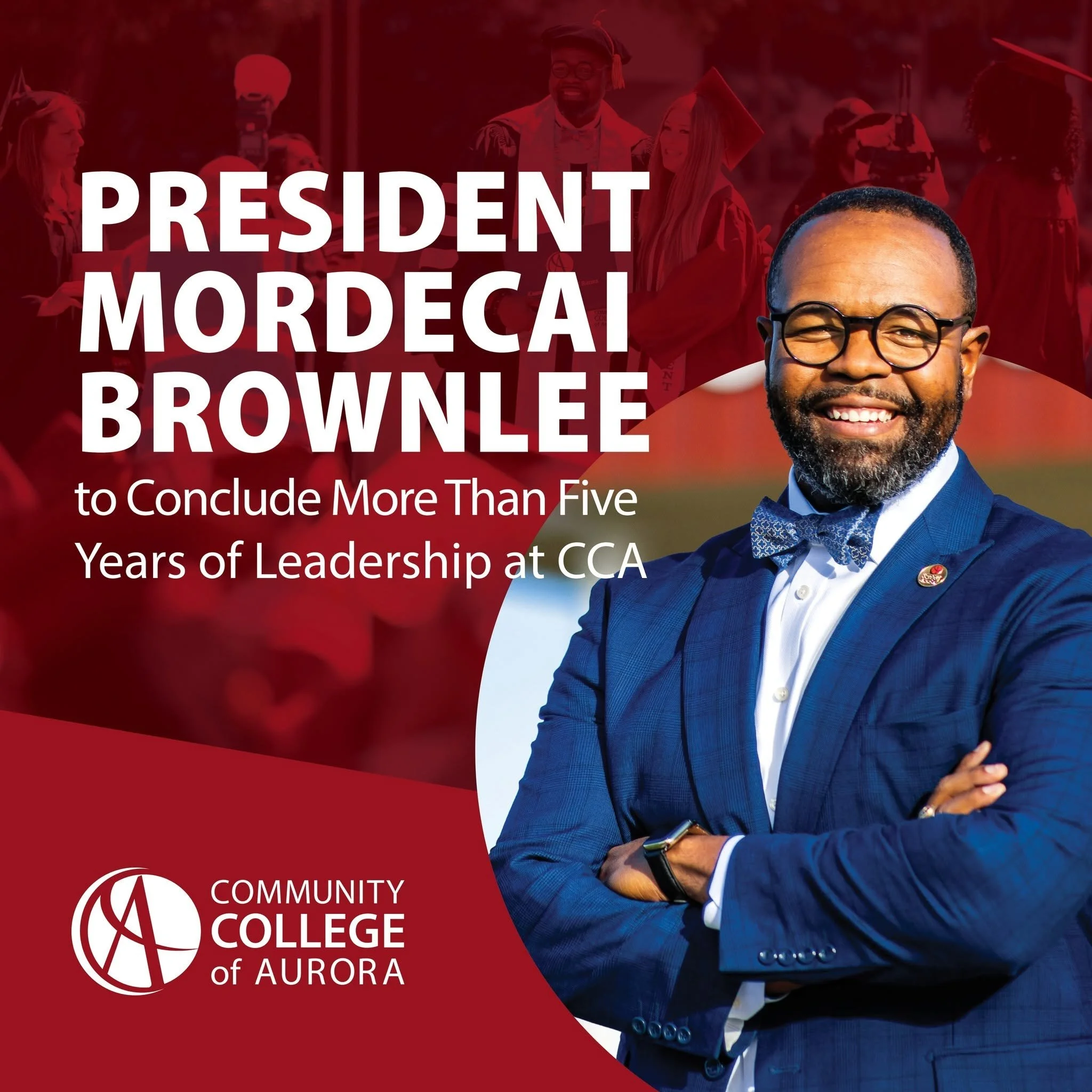
After more than five years of leadership, President Dr. Mordecai Ian Brownlee will conclude his presidency at the Community College of Aurora in December 2026.
Since joining CCA in 2021, Dr. Brownlee has helped lead a period of significant growth, expanded opportunities for students, and strengthened CCA’s role throughout the communities we serve.
The Community College of Aurora is grateful for his leadership, service, and unwavering commitment to our students.
Read the full announcement: https://ccaurora.edu/news-press/press-release/brownlee-concludes-presidency
New Article Published I Community College Daily
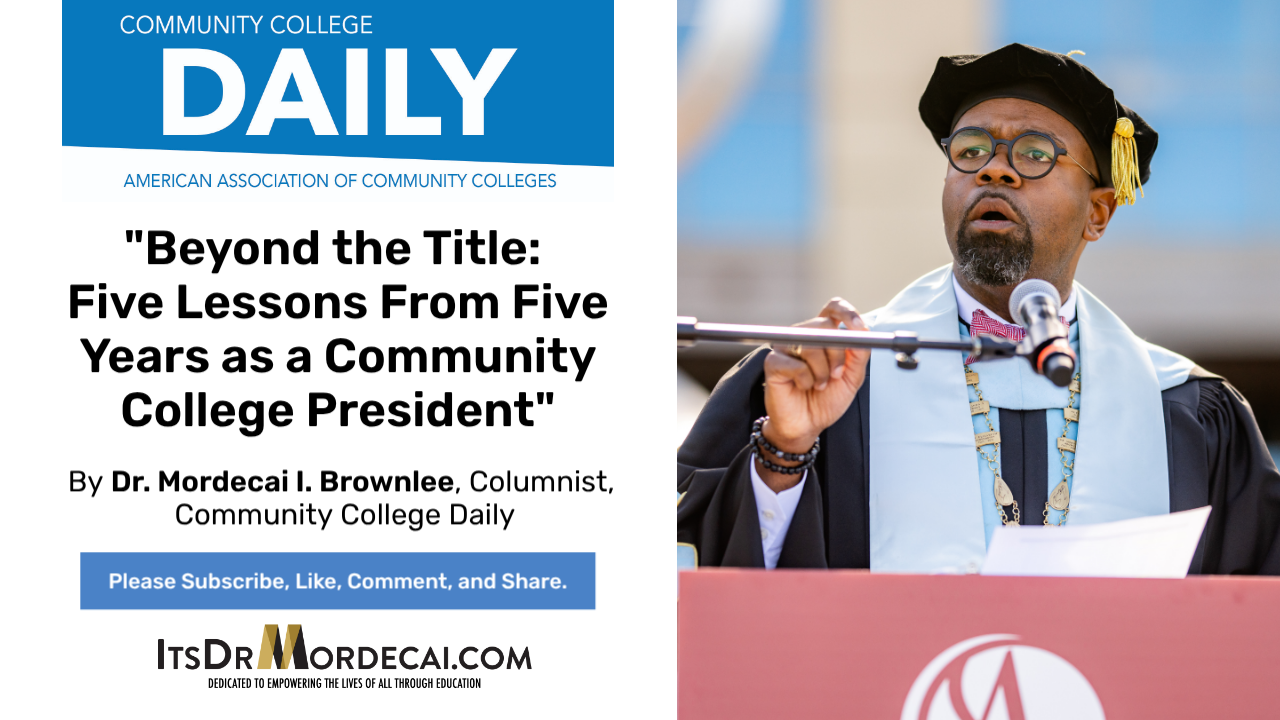
Five years into the community college presidency, Dr. Mordecai is reflecting on what leadership has taught him beyond the title.
In his latest column for “Community College Daily”, Dr. Mordecai shares five lessons shaped by the realities of executive leadership: respond at the speed the situation requires, resist the temptation to compare your journey to others, recognize that a therapist can be just as important as an executive coach, lead the community you actually serve, and remember that this too shall pass.
Drawing upon his own journey from a community college student working overnight jobs to becoming a college president, President Brownlee offers a candid reflection on identity, mental health, stewardship, perspective, and the responsibility leaders carry for the people and communities entrusted to them.
At its core, the article asks leaders to consider a deeper measure of success: not simply how high they rise, how long they remain, or how much recognition they receive, but how faithfully they steward the season they have been given, how many lives are better because they served, and whether they can eventually walk away from the title without losing themselves while carrying it.
For presidents, aspiring executives, trustees, and leaders at every stage of their journey, “Beyond the Title: Five Lessons From Five Years as a Community College President” invites you to reflect on what truly matters in leadership—and in life.
Read the full article in Community College Daily:
https://www.ccdaily.com/2026/08/beyond-the-title-five-lessons-from-five-years-as-a-community-college-president/
Fitzsimons Credit Union Gift Expands Free School Supplies for Community College of Aurora Students
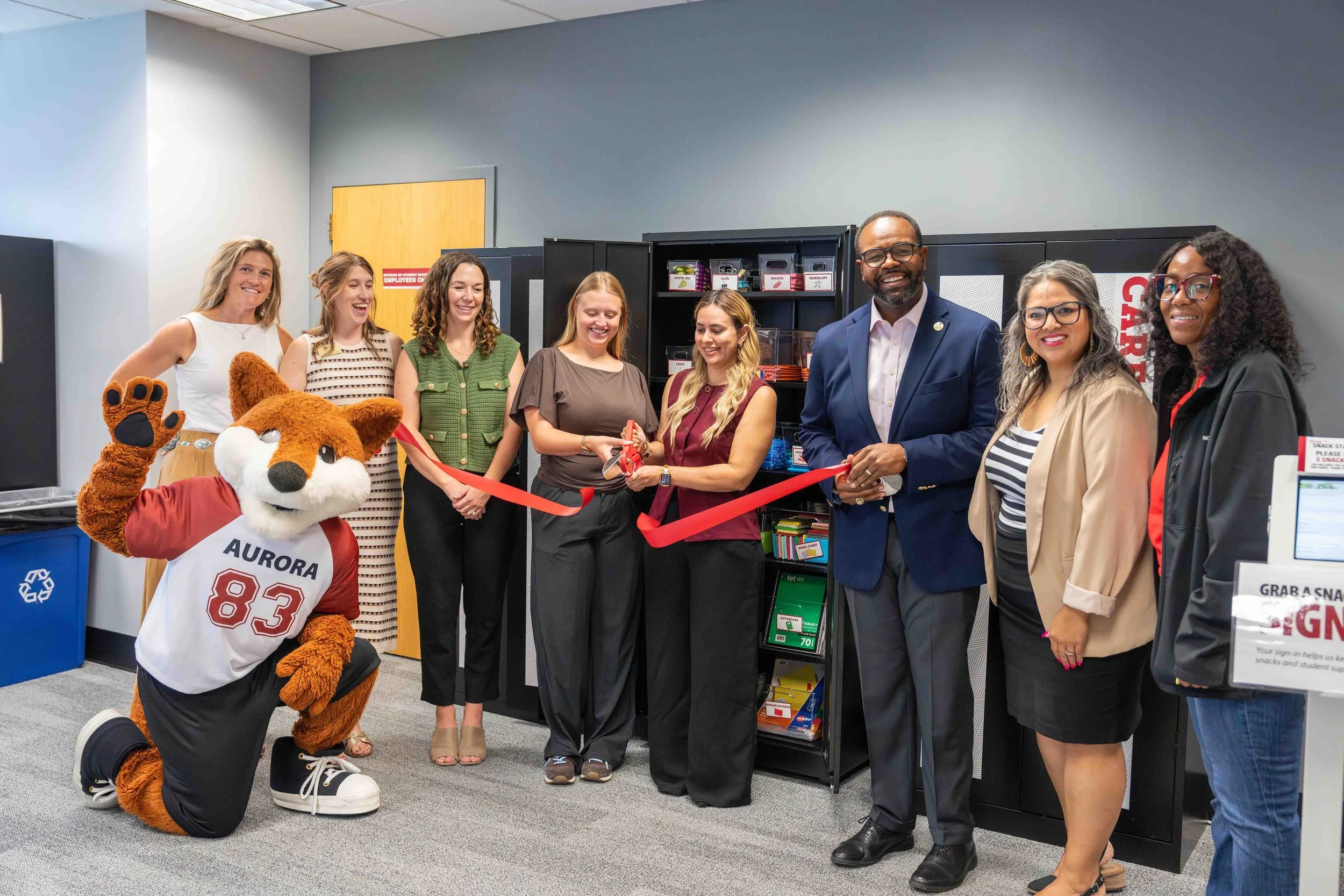
Dr. Mordecai Brownlee is grateful to Fitzsimons Credit Union for its generous $4,500 investment in the new Fitzsimons Credit Union Success Station at the Community College of Aurora. Through this partnership, students now have expanded access to free school supplies across all three CCA campuses, helping remove one more barrier that can stand between a student and their goals.
This is what strong community partnership looks like: identifying a need, responding with purpose, and investing directly in student success.
Dr. Brownlee extends his appreciation to Fitzsimons Credit Union, the Community College of Aurora Foundation, and CCA’s Student Success team for continuing to build an environment where students are supported, valued, and equipped to succeed.
When barriers are removed, greater opportunity becomes possible.
Honorary Commander of Buckley Space Force Base Delta 2
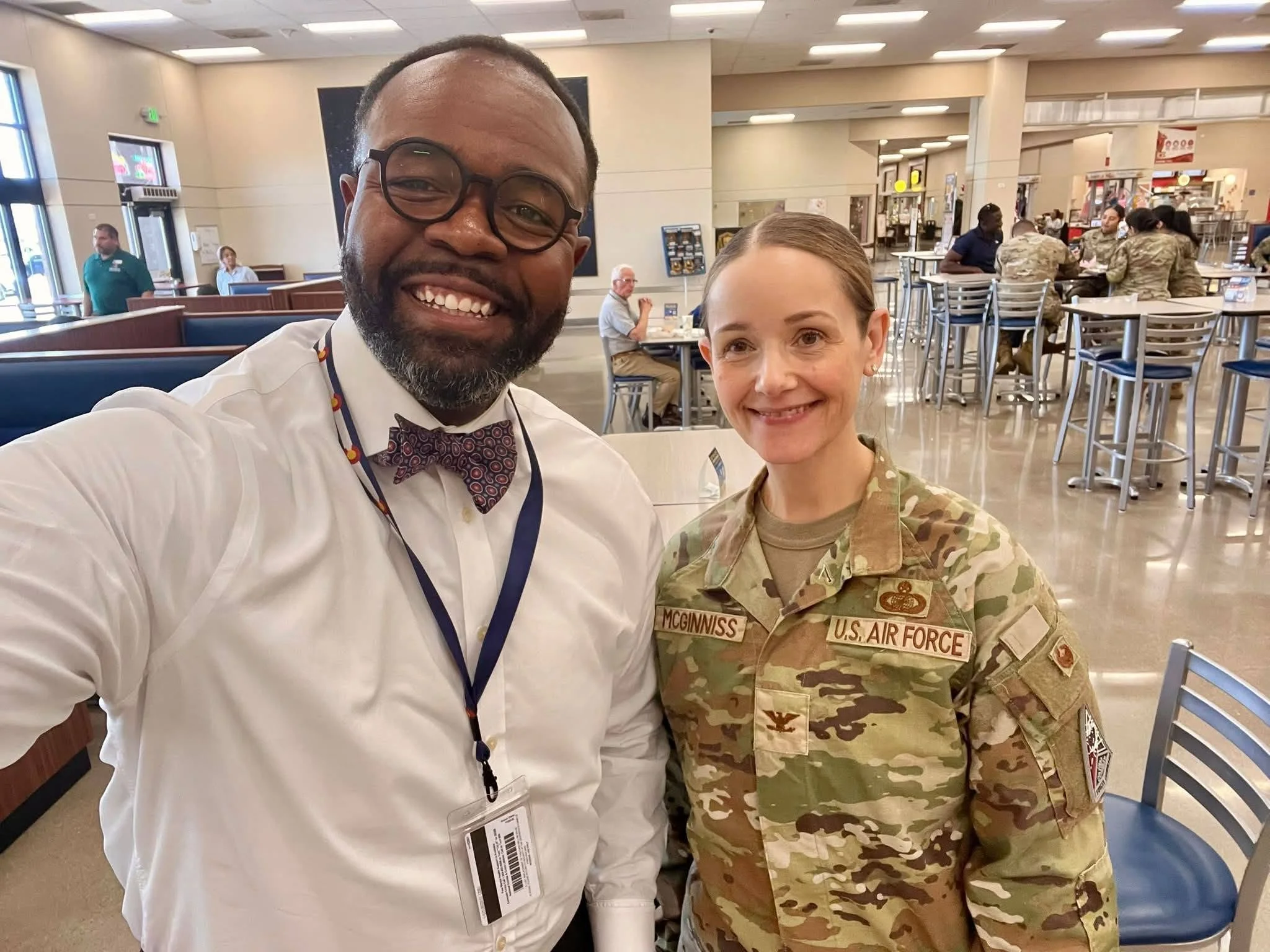
It continues to be such an honor to serve as Honorary Commander of Buckley Space Force Base.
Yesterday, I had the pleasure of having lunch with Colonel Jennifer A. McGinniss, Deputy Commander of Space Base Delta 2. We discussed everything from lessons learned as parents to settling into Aurora, lessons learned so far in our journey, and her administration's community engagement strategy.
Remarkably, Col. McGinniss oversees a 1,020-member team providing Base Operating Support to more than 800 military, Department of War civilians, and contractor personnel serving at 14 operating locations worldwide, executing critical United States Space Force Missile Warning and Intelligence, Surveillance and Reconnaissance missions.
Thank you to all those who serve and defend our country, and to the families of our service members.
Back to School - Foxy's Fest
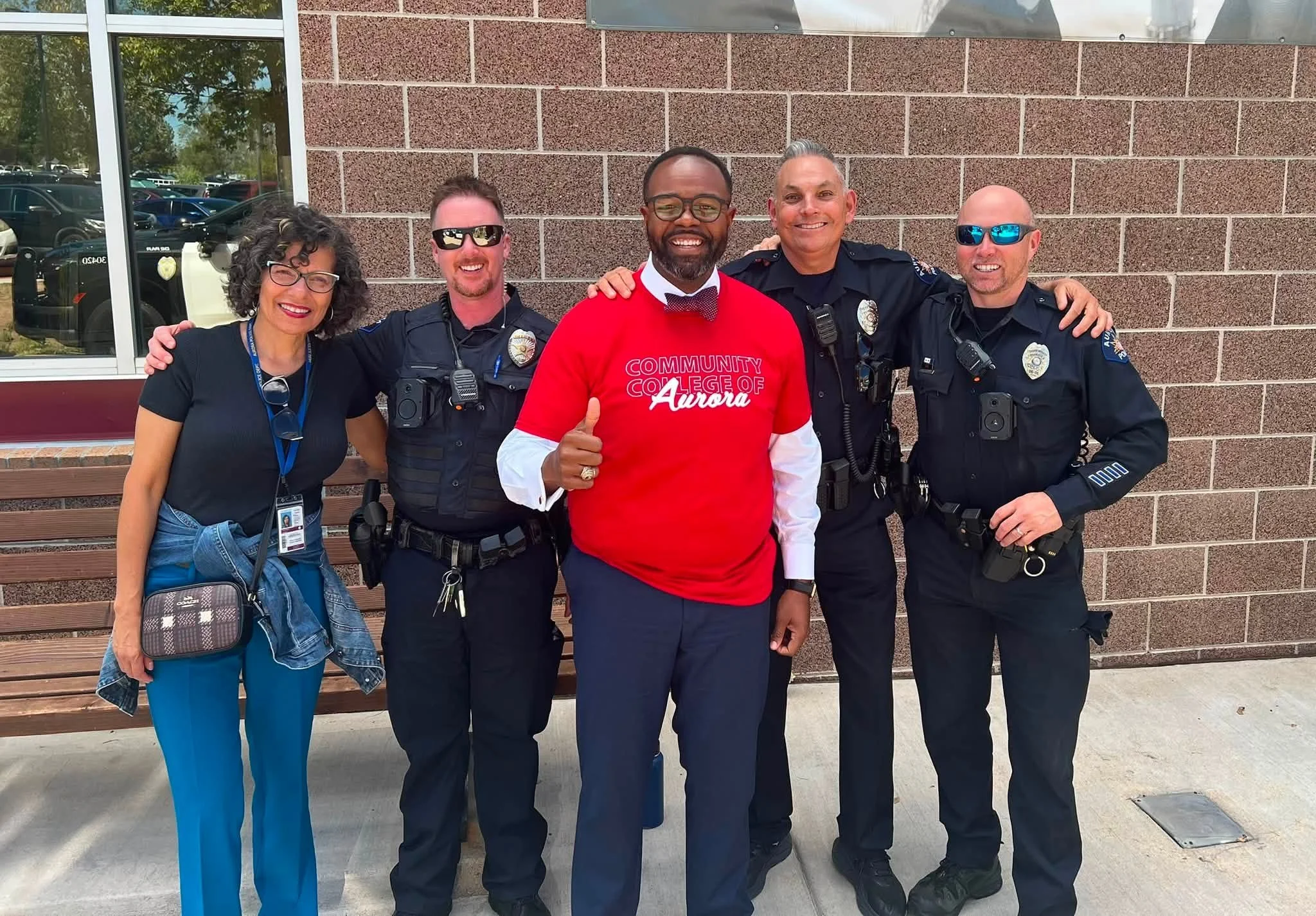
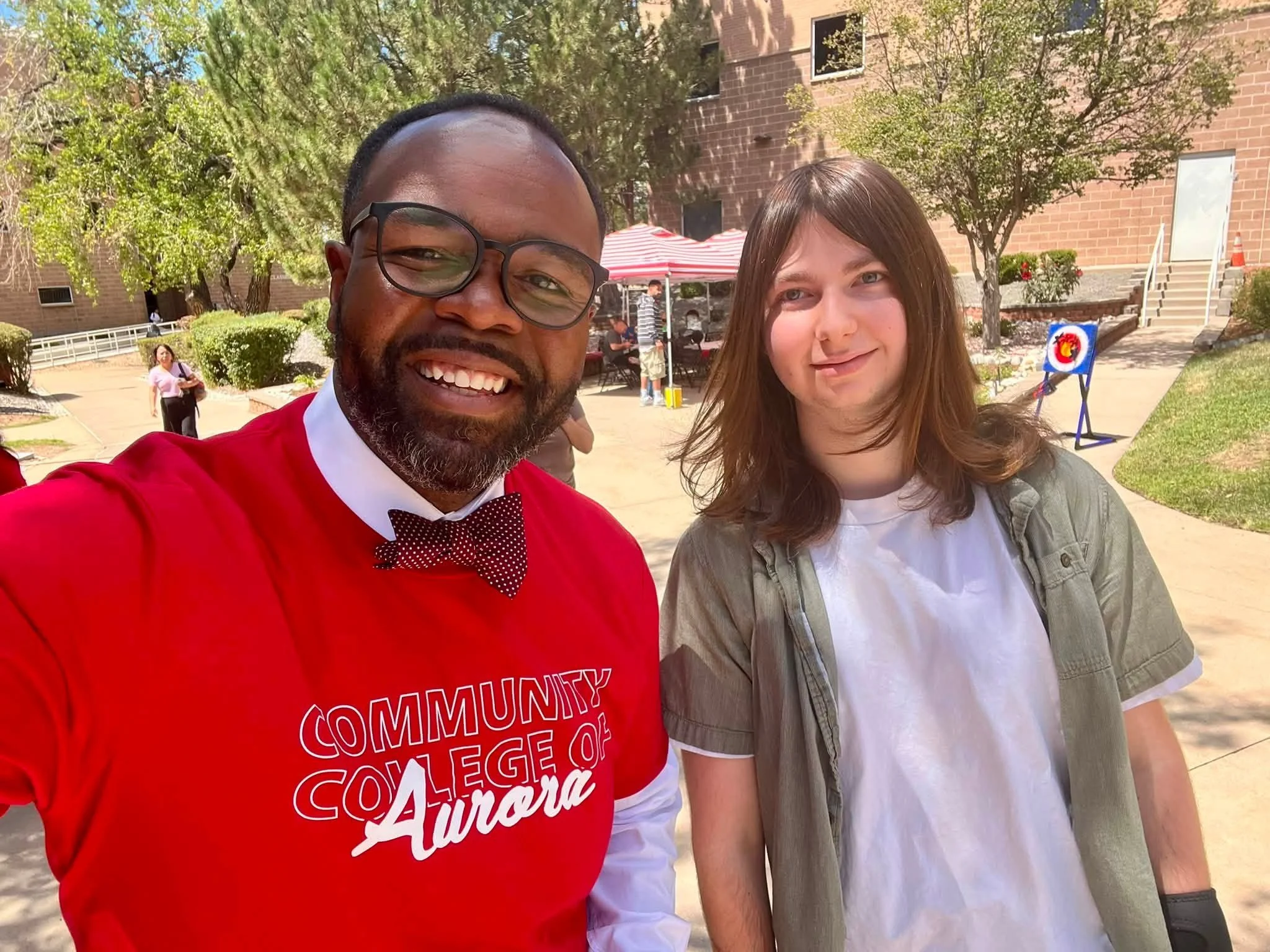
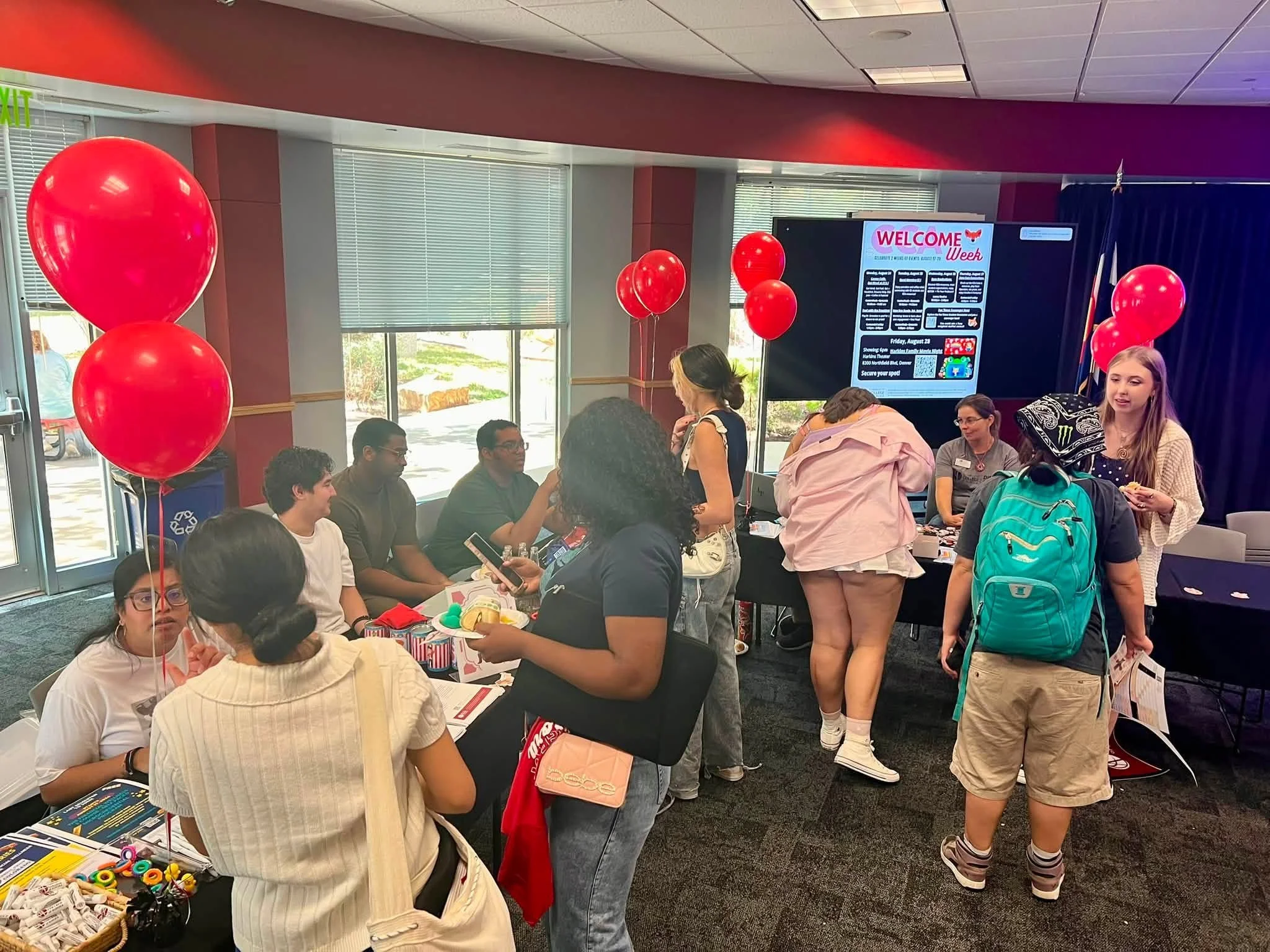
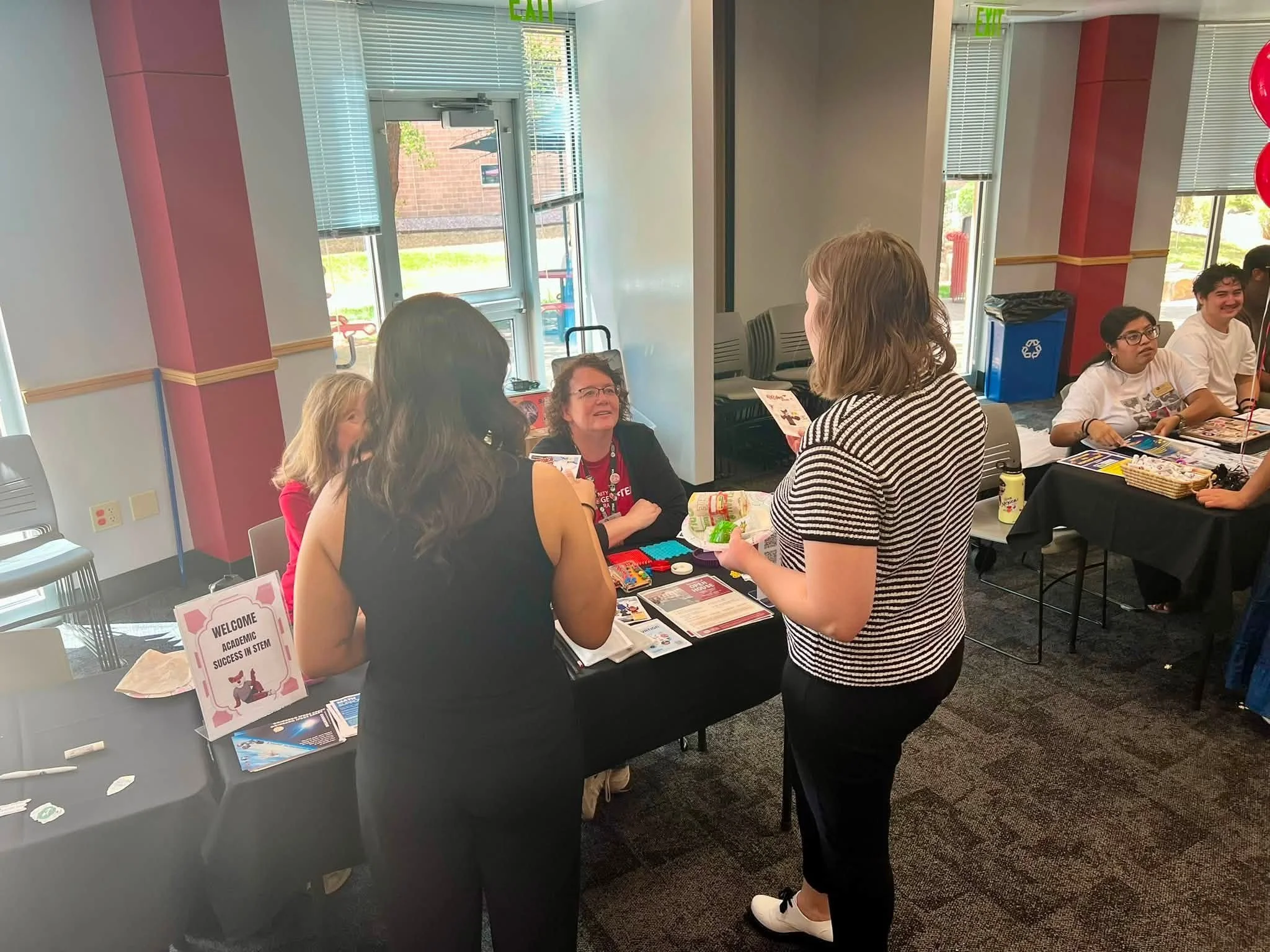
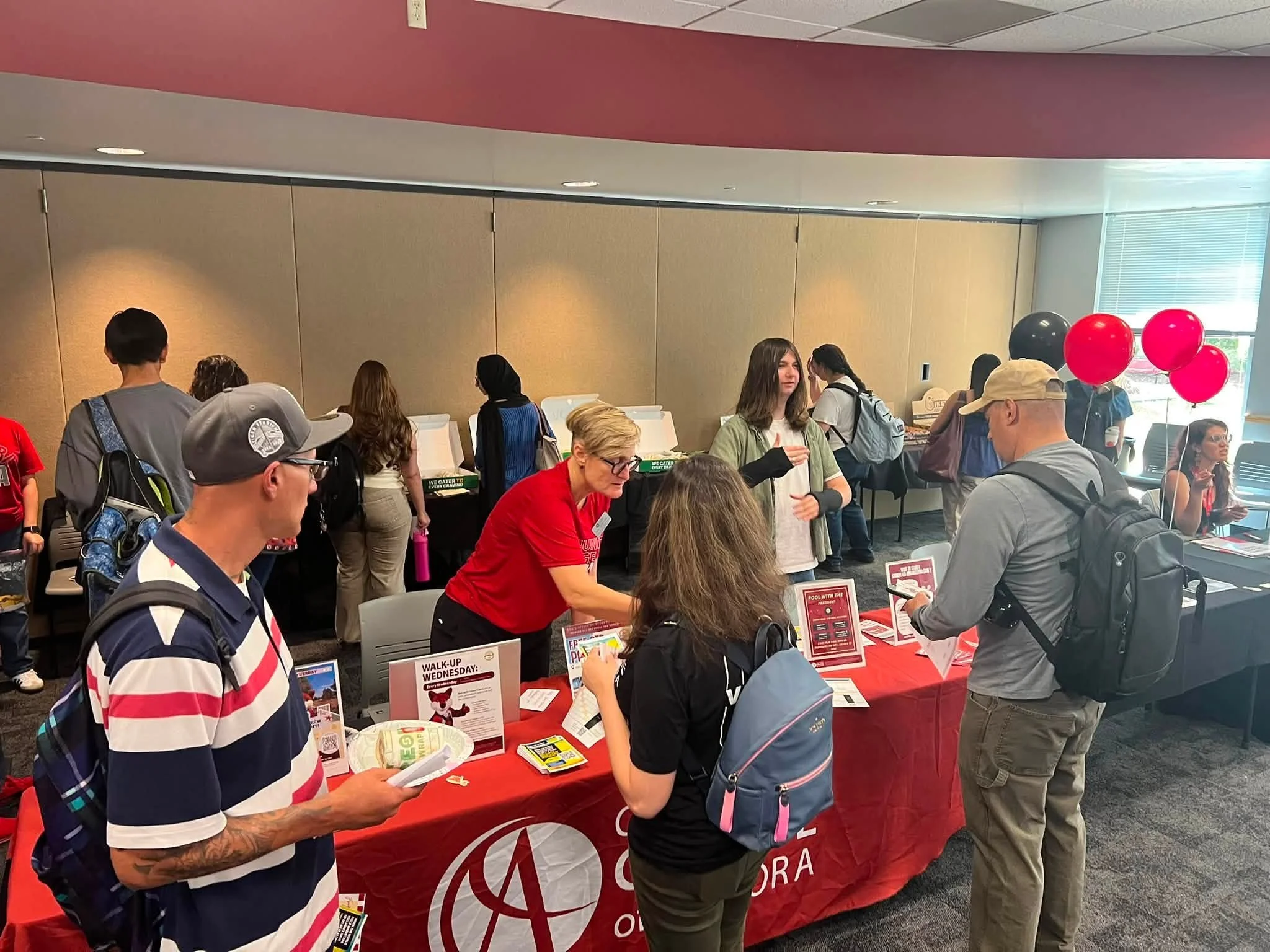
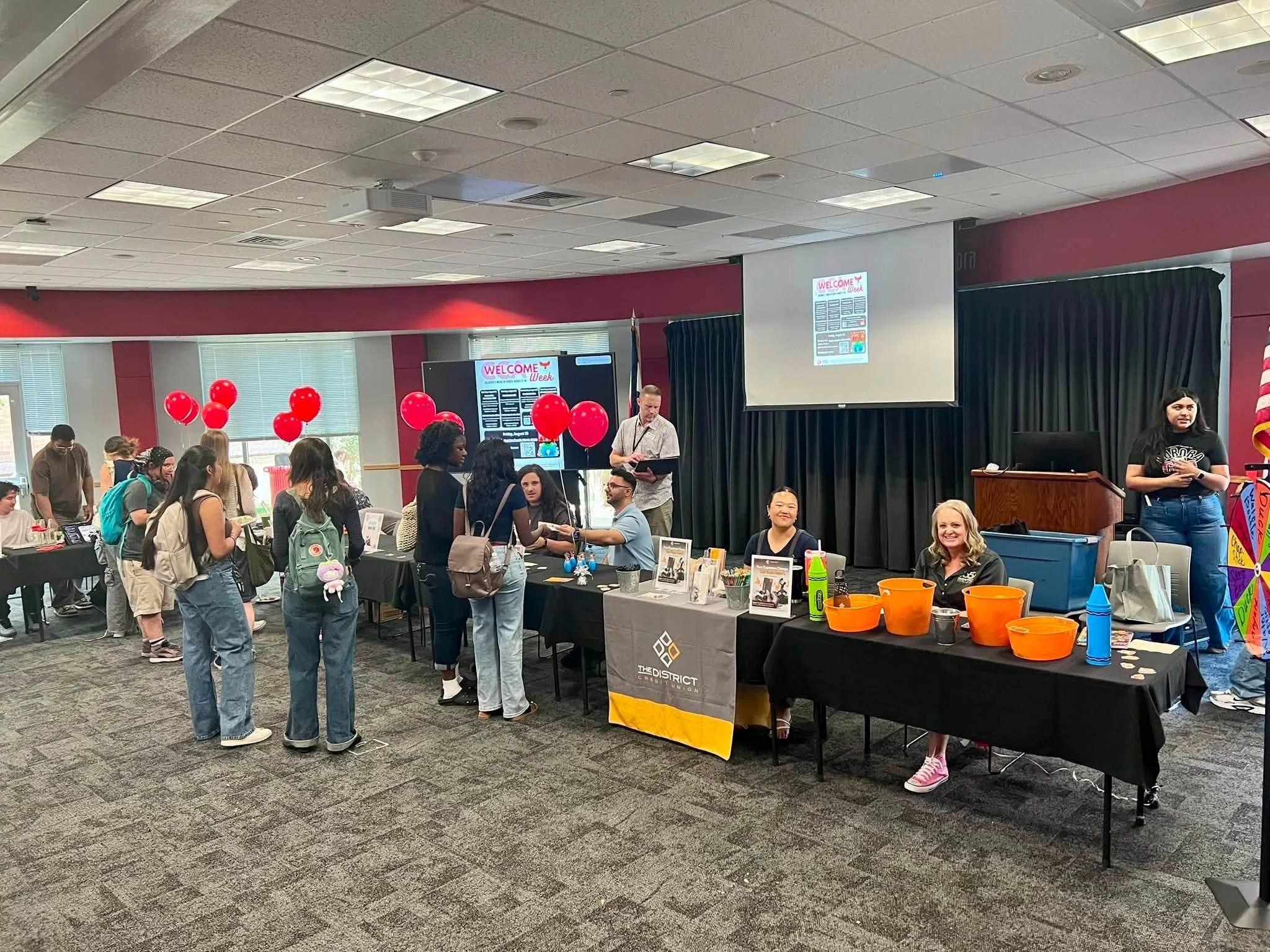
Yesterday’s “Foxy’s Fest” at the Community College of Aurora was a grand success!!!
Thank you to our Student Success Division for coordinating such an engaging and informative event. Also, thank you to our community partners, like the Aurora Police Department and District Credit Union, for supporting CCA.
Reflection Time With My Son
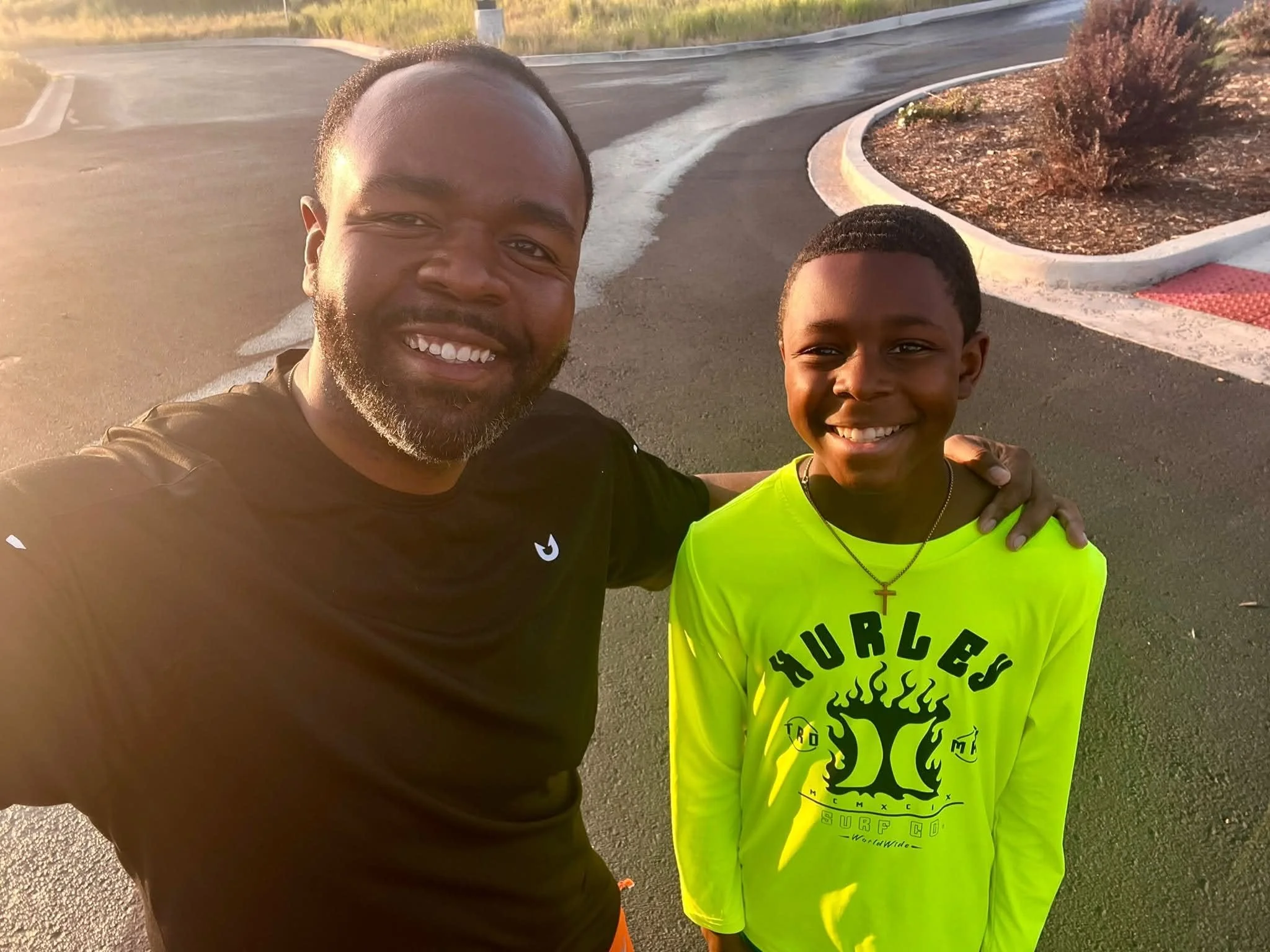
Just had a great workout with my son this morning. Today, our conversation centered on the importance and strength of self-awareness.
May we all develop deeper self-awareness and make adjustments accordingly. Thank you to everyone for your kind words and birthday wishes yesterday.
God Bless.
CCA Celebrates English Language Learners Through Gaylord Rockies Partnership
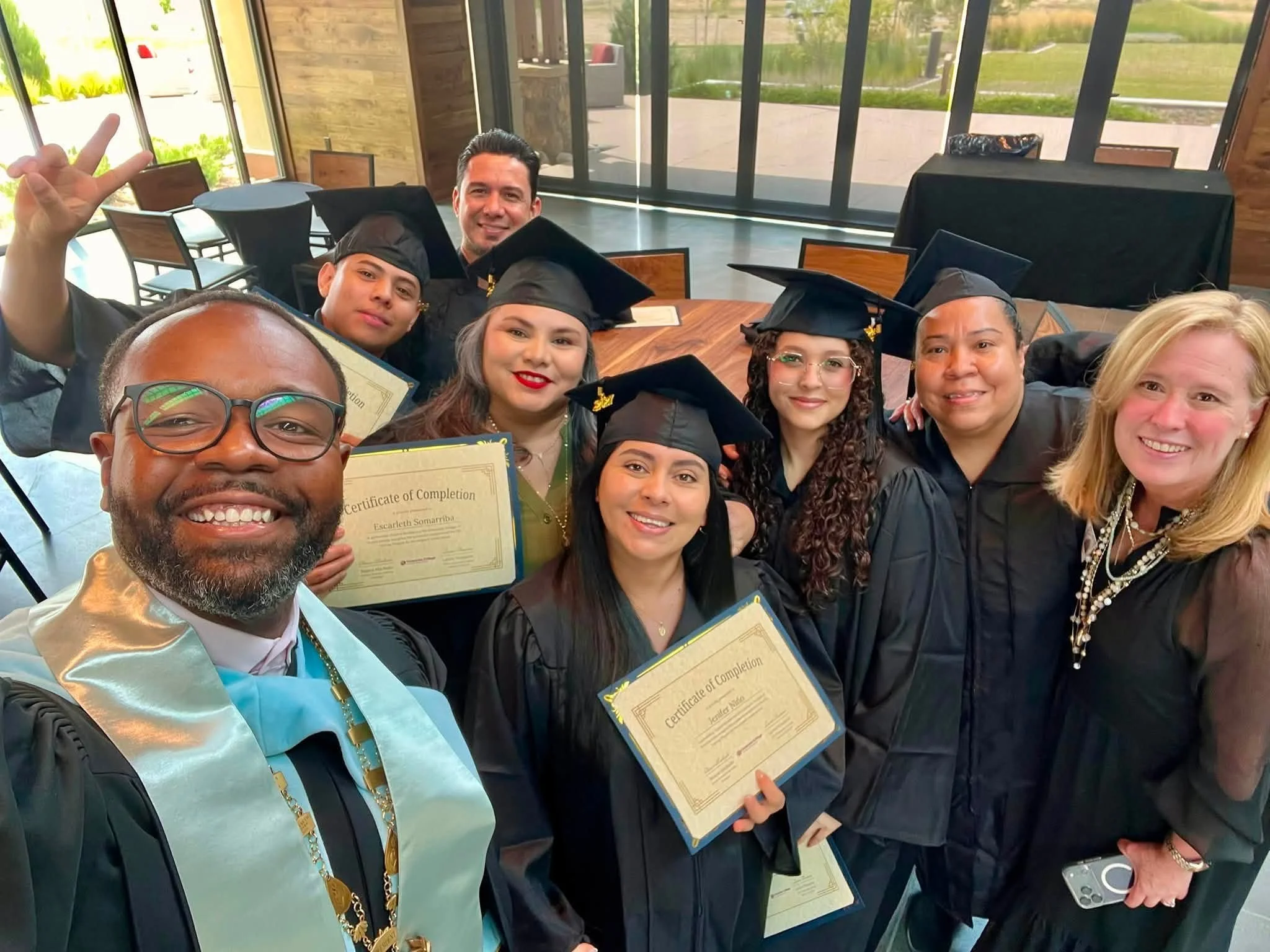
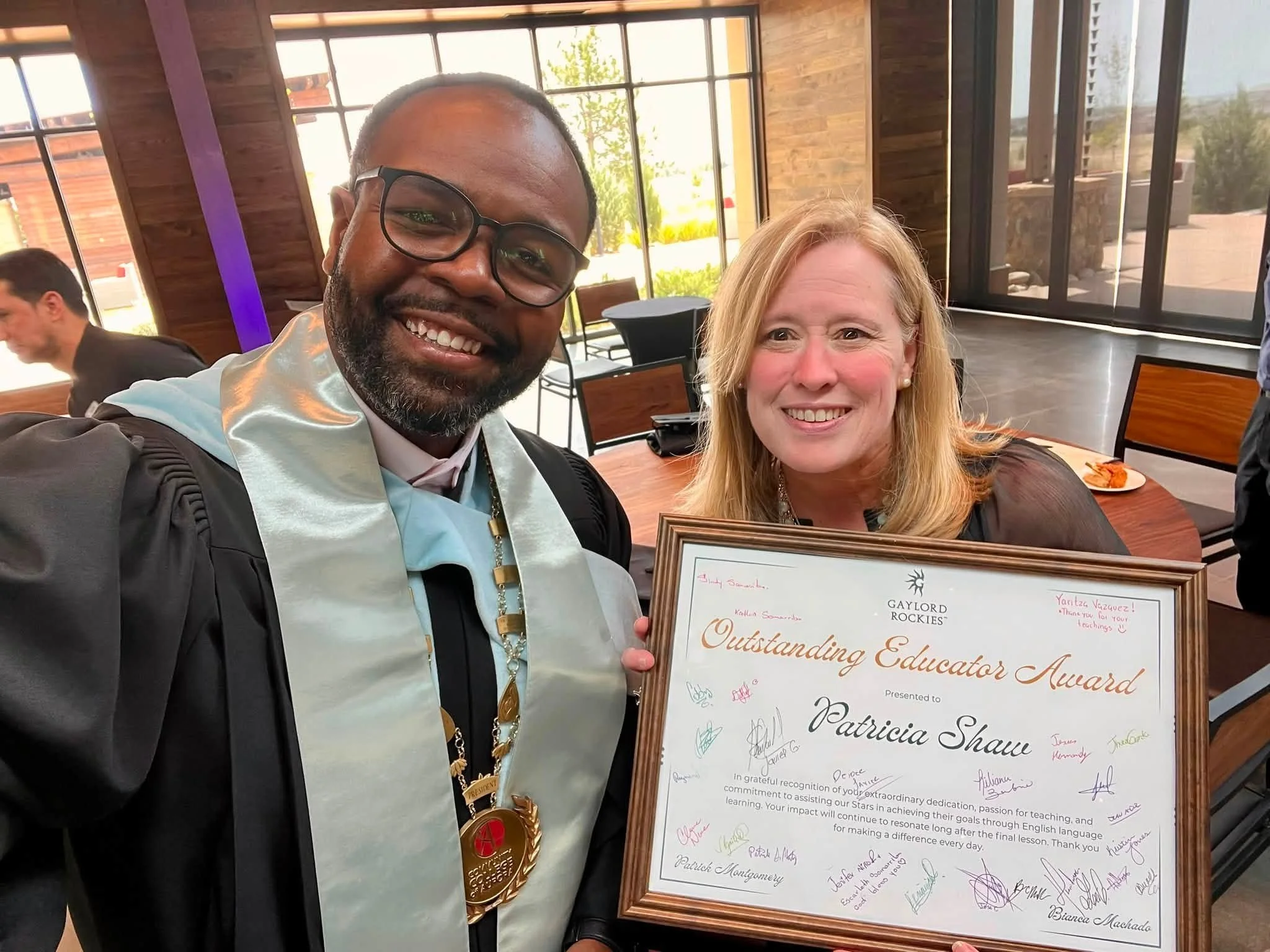
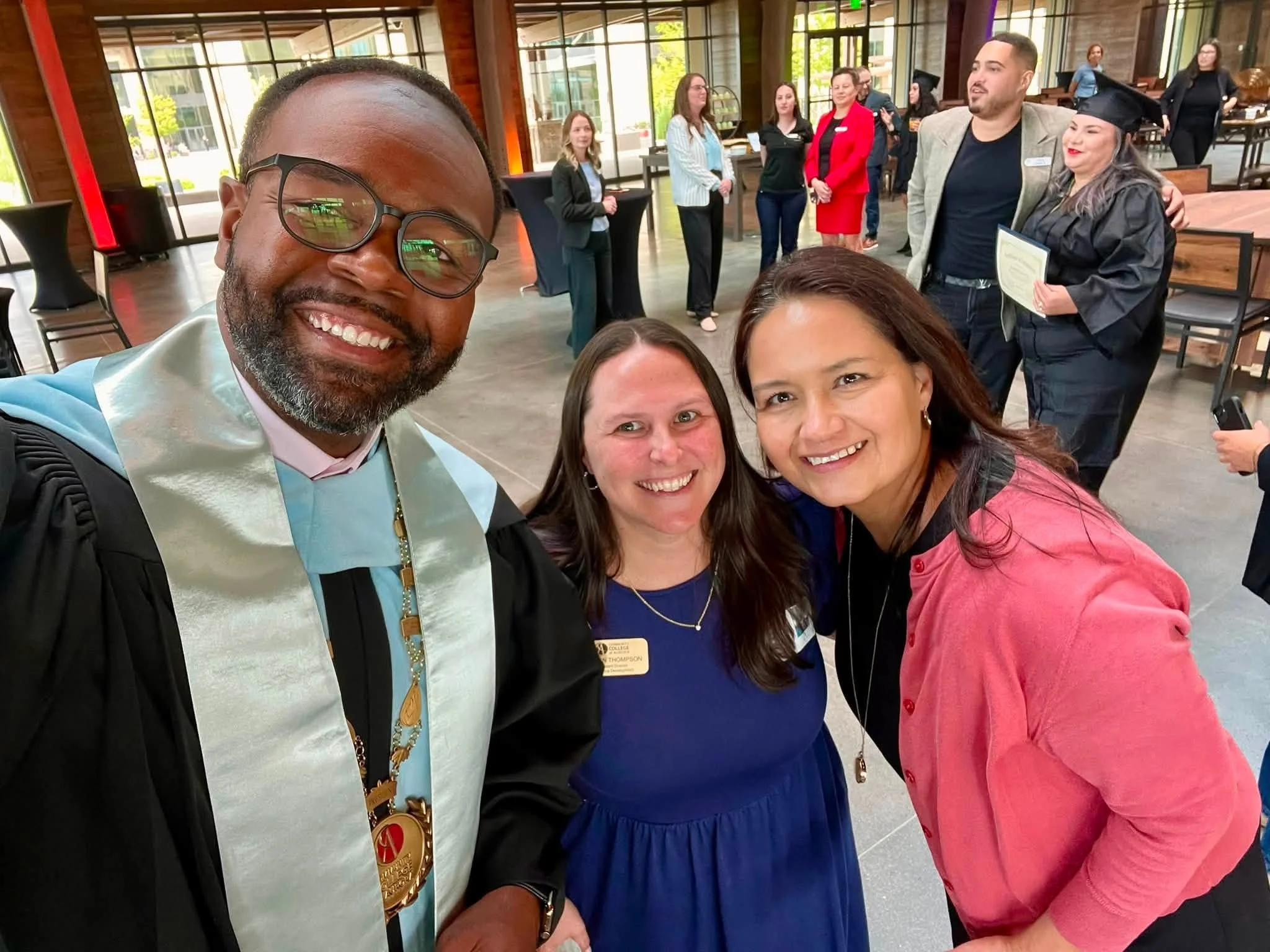
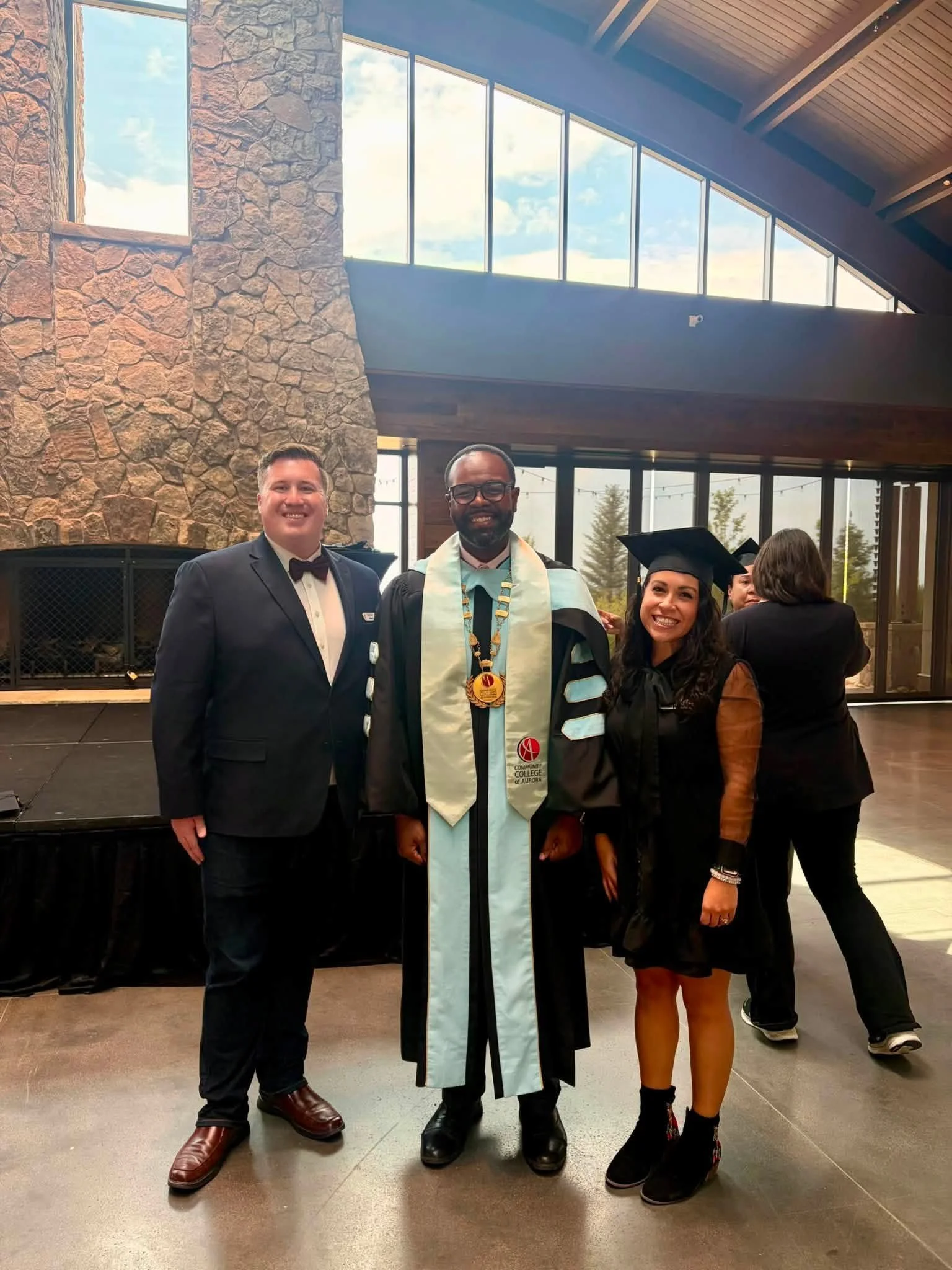
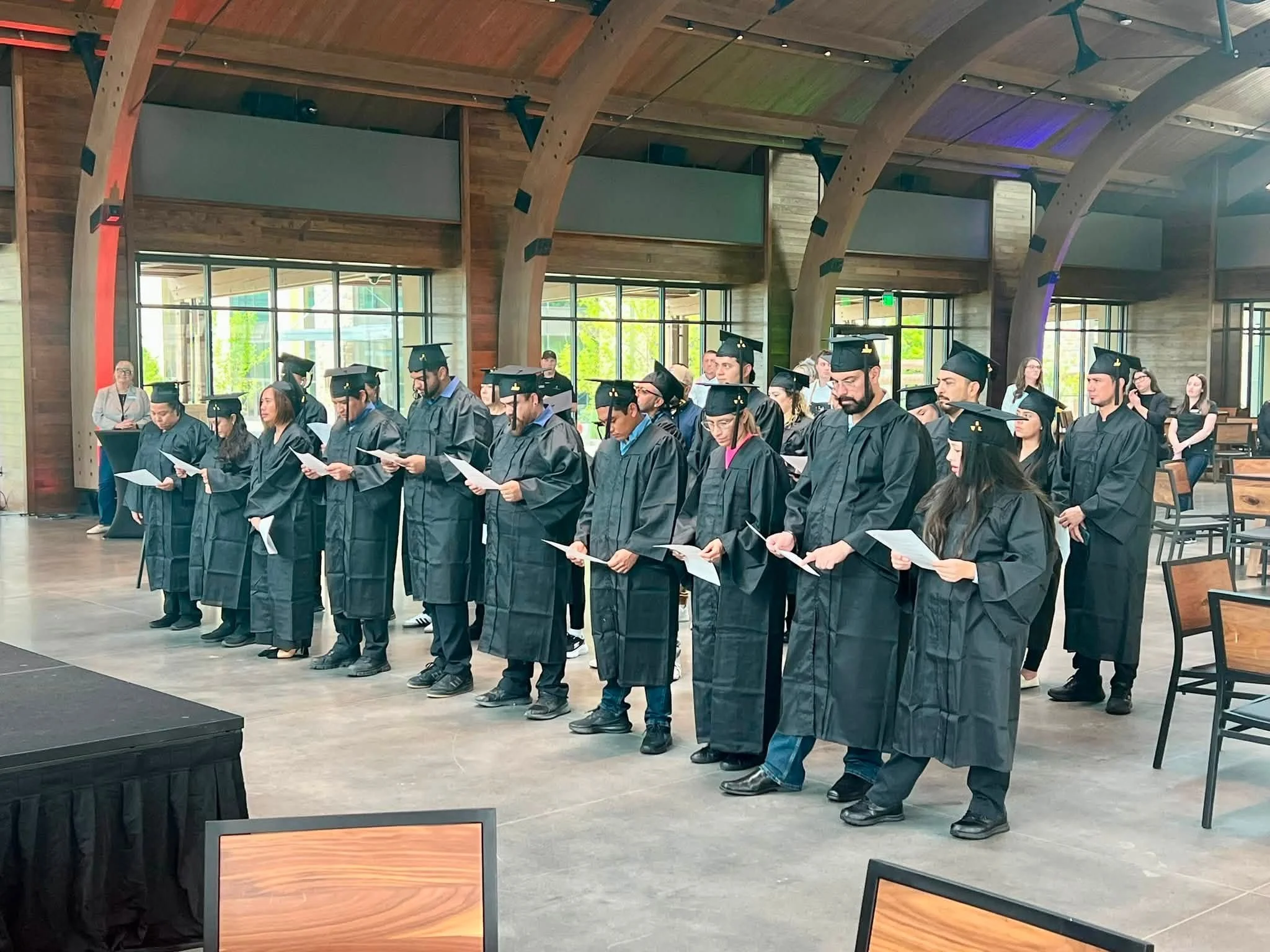
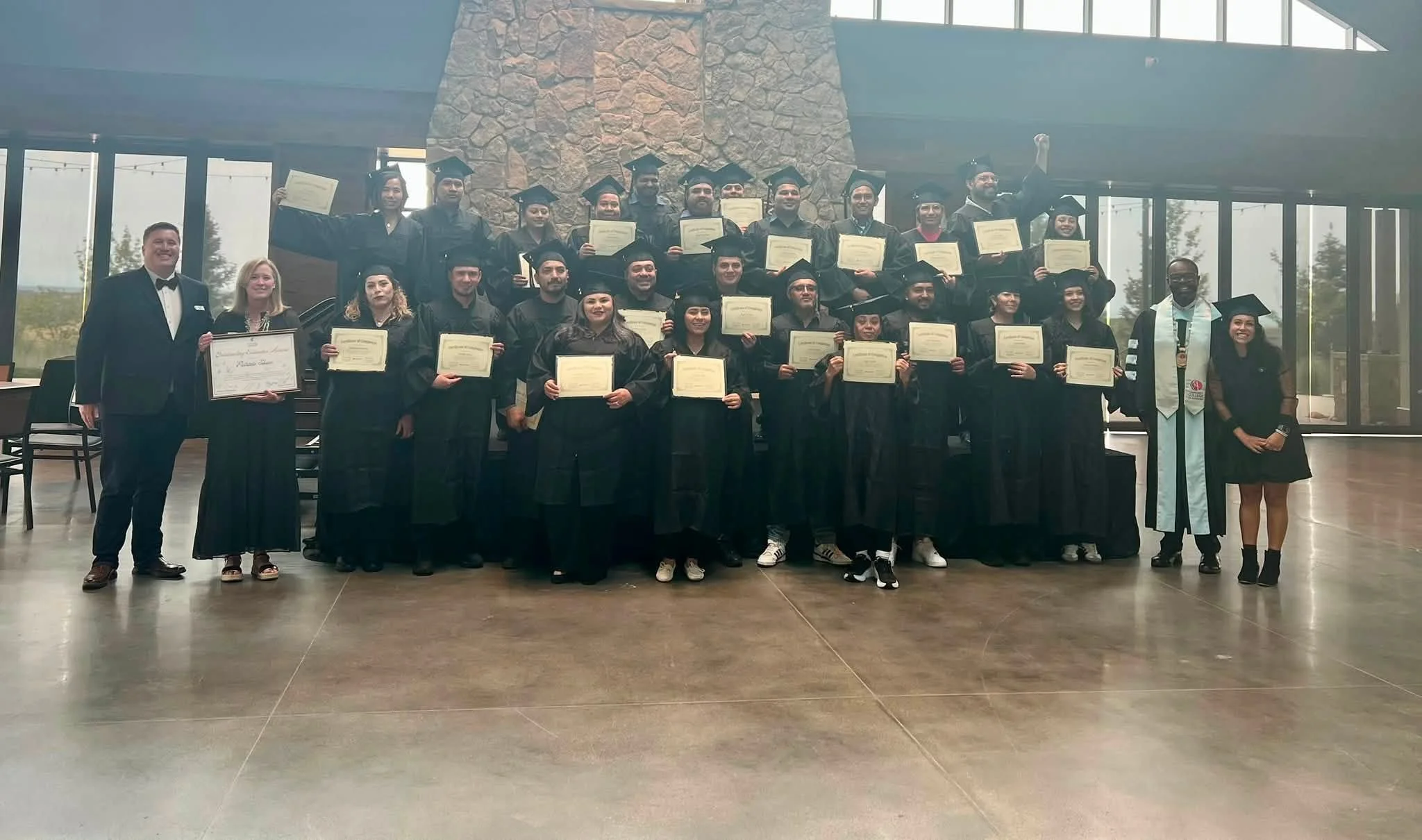
The Community College of Aurora recently celebrated the graduation of its second and third English as a Second Language cohorts offered through the college’s Corporate College partnership with Gaylord Rockies Resort & Convention Center.
Over the course of 10 weeks, participating employees strengthened their English language skills while continuing to grow personally and professionally. The program reflects CCA’s broader commitment to creating responsive workforce education opportunities that meet learners where they are and help employers invest directly in the development of their teams.
Dr. Mordecai Brownlee, President of the Community College of Aurora, joined the celebration and recognized the determination and commitment demonstrated by the graduating learners.
The program also honored Patricia Shaw with the Outstanding Educator Award. Shaw has served as an instructor for the program and was recognized for her dedication, leadership, and impact in the classroom.
The partnership with Gaylord Rockies represents the type of employer collaboration at the center of CCA’s Corporate College model, connecting education with the evolving needs of the workforce while creating accessible opportunities for employees to build skills and pursue greater economic mobility.
Dr. Brownlee expressed appreciation to Gaylord Rockies for its continued partnership and investment in its employees and congratulated the graduates on reaching this important milestone.
The celebration marked not only the completion of 10 weeks of learning, but another example of what can be accomplished when colleges and employers work together to expand opportunity and invest in people.
From Vision to Impact: What a Difference a Year Can Make
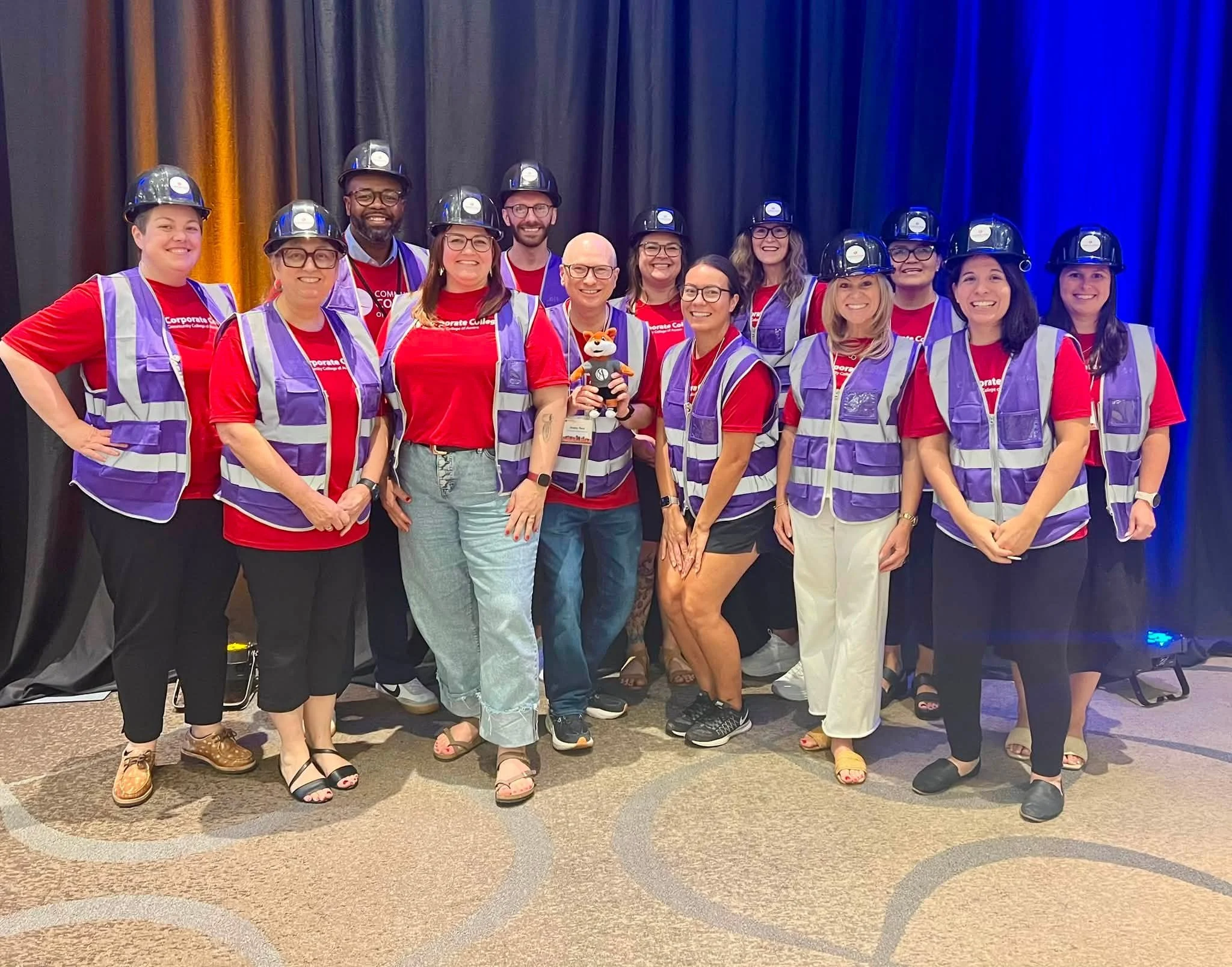
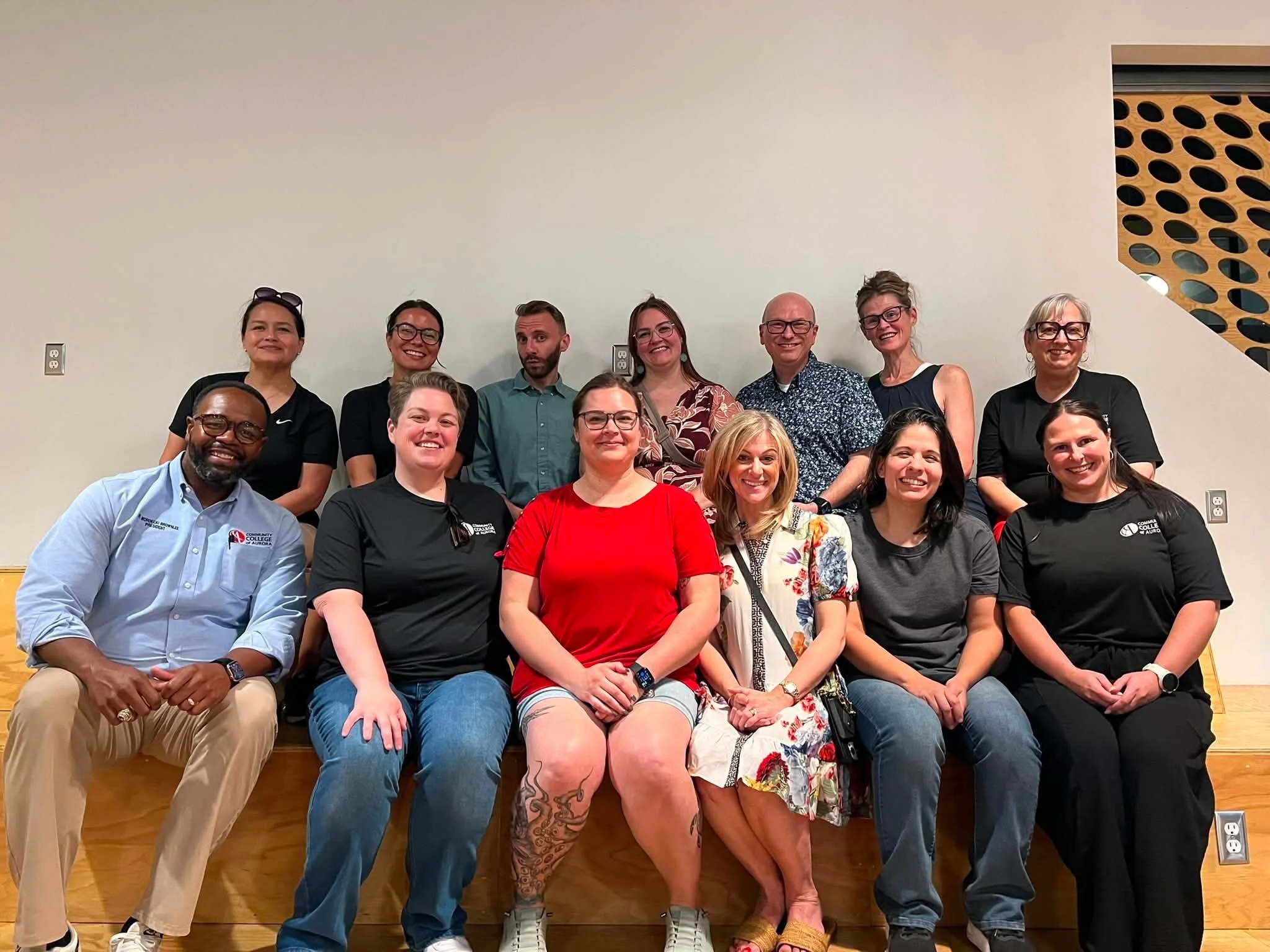
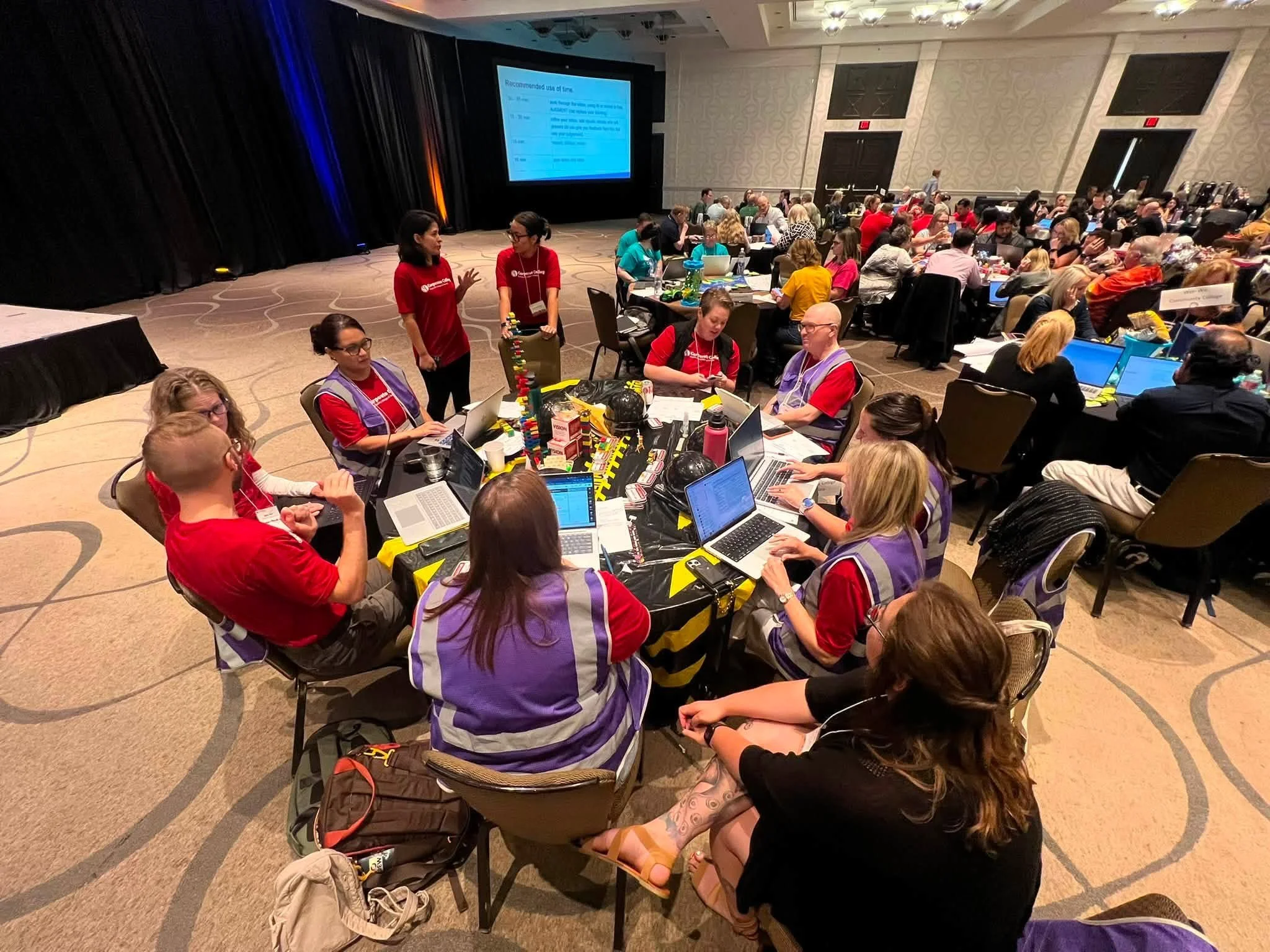
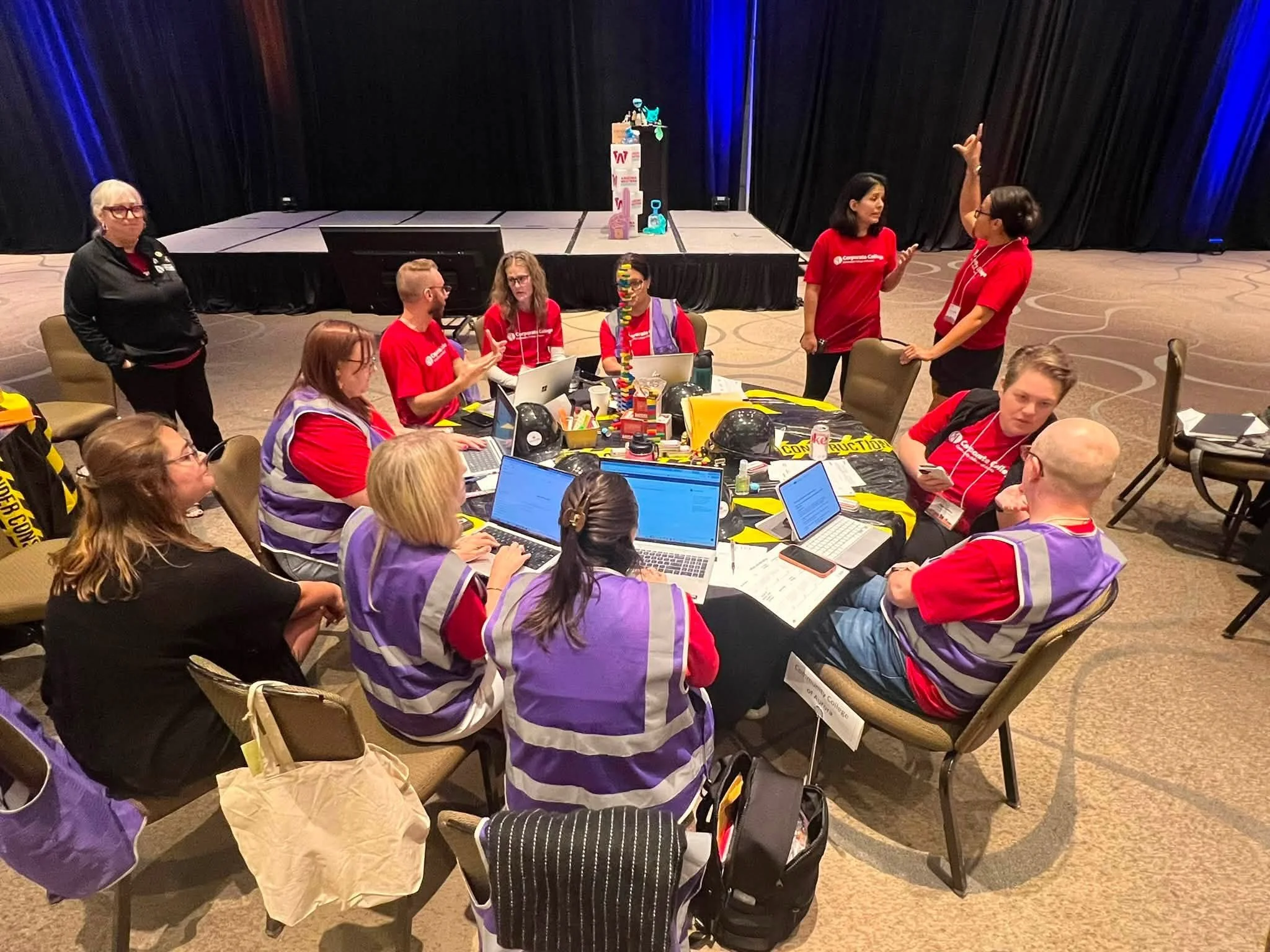
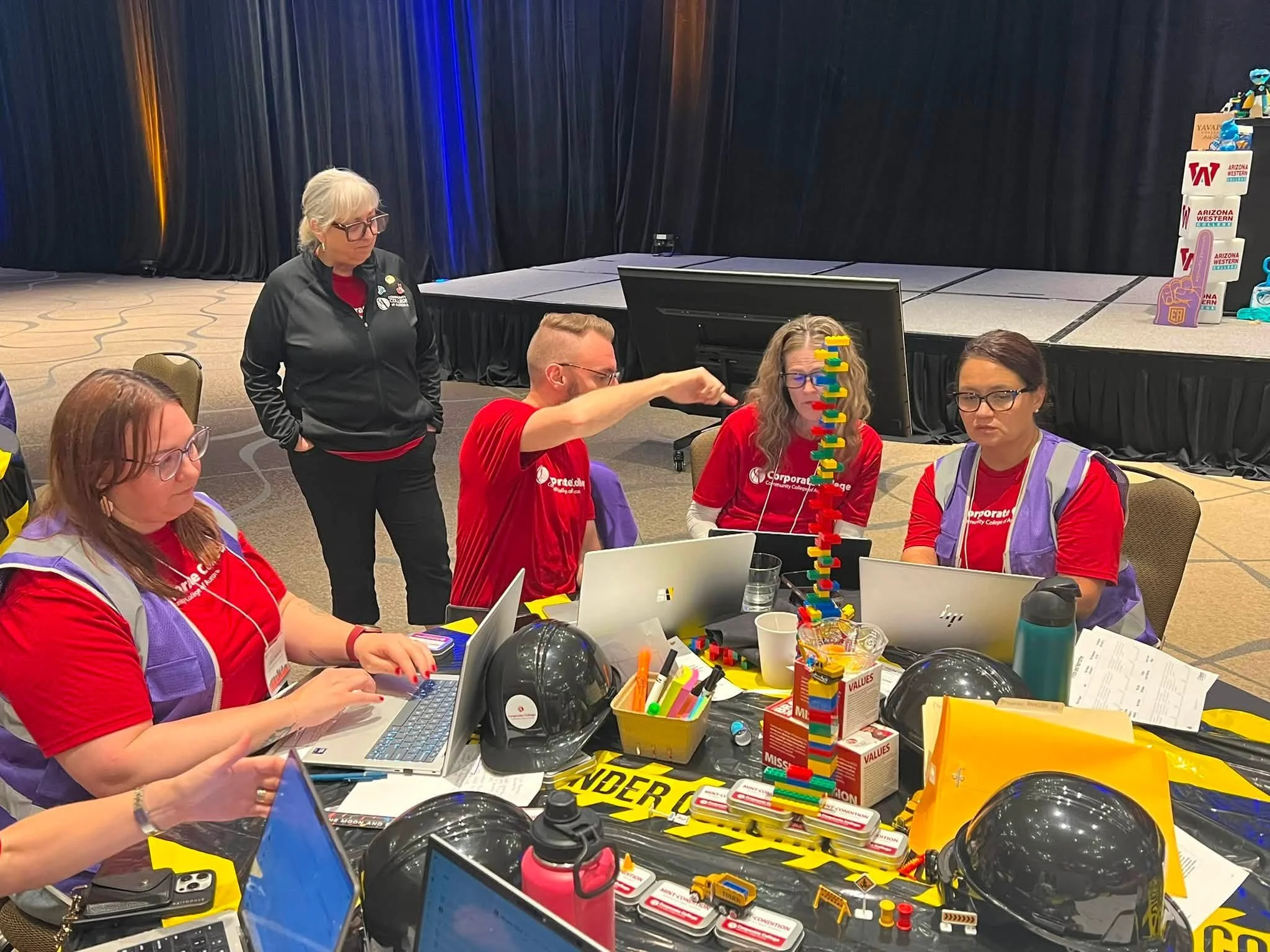
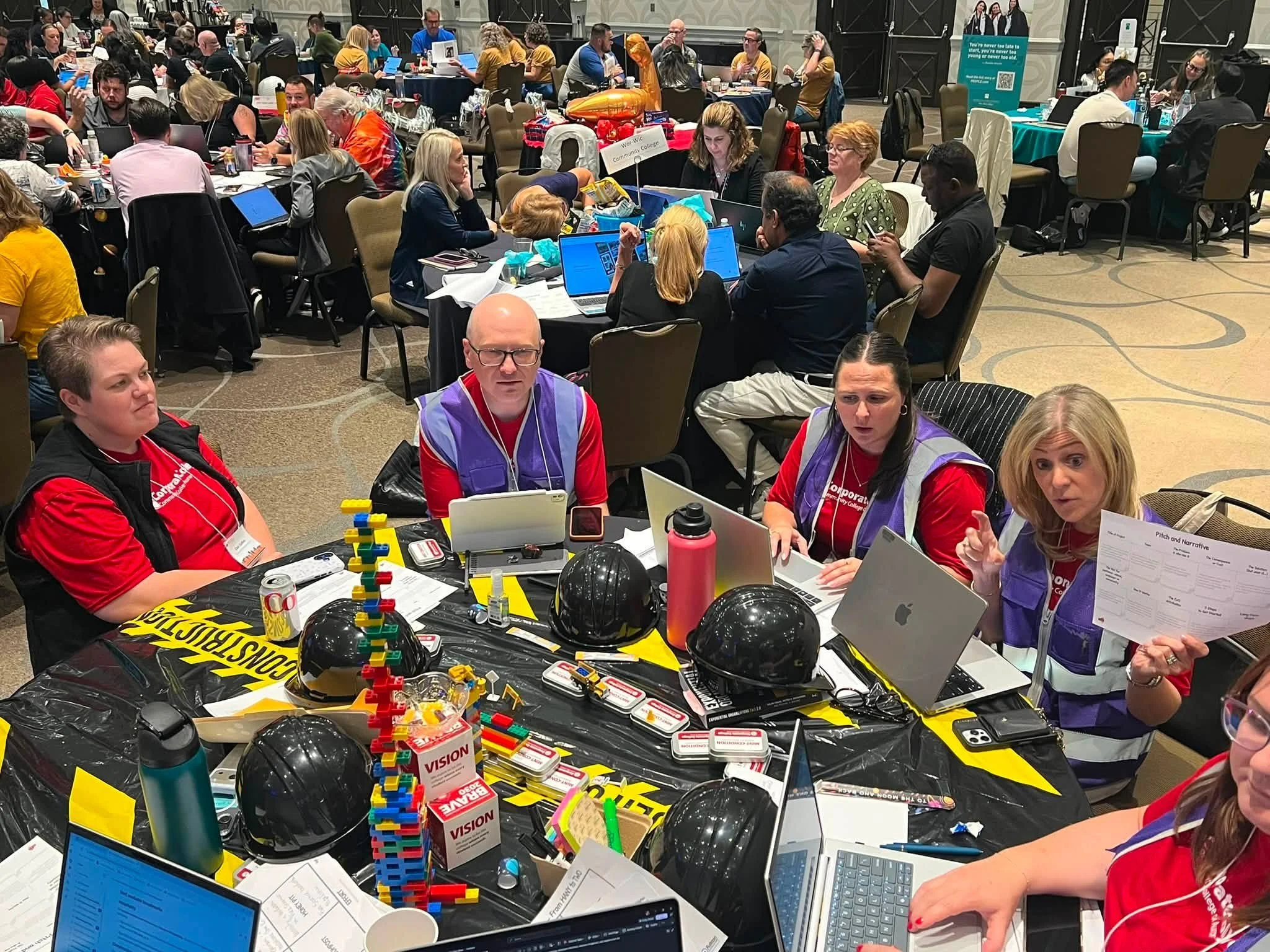
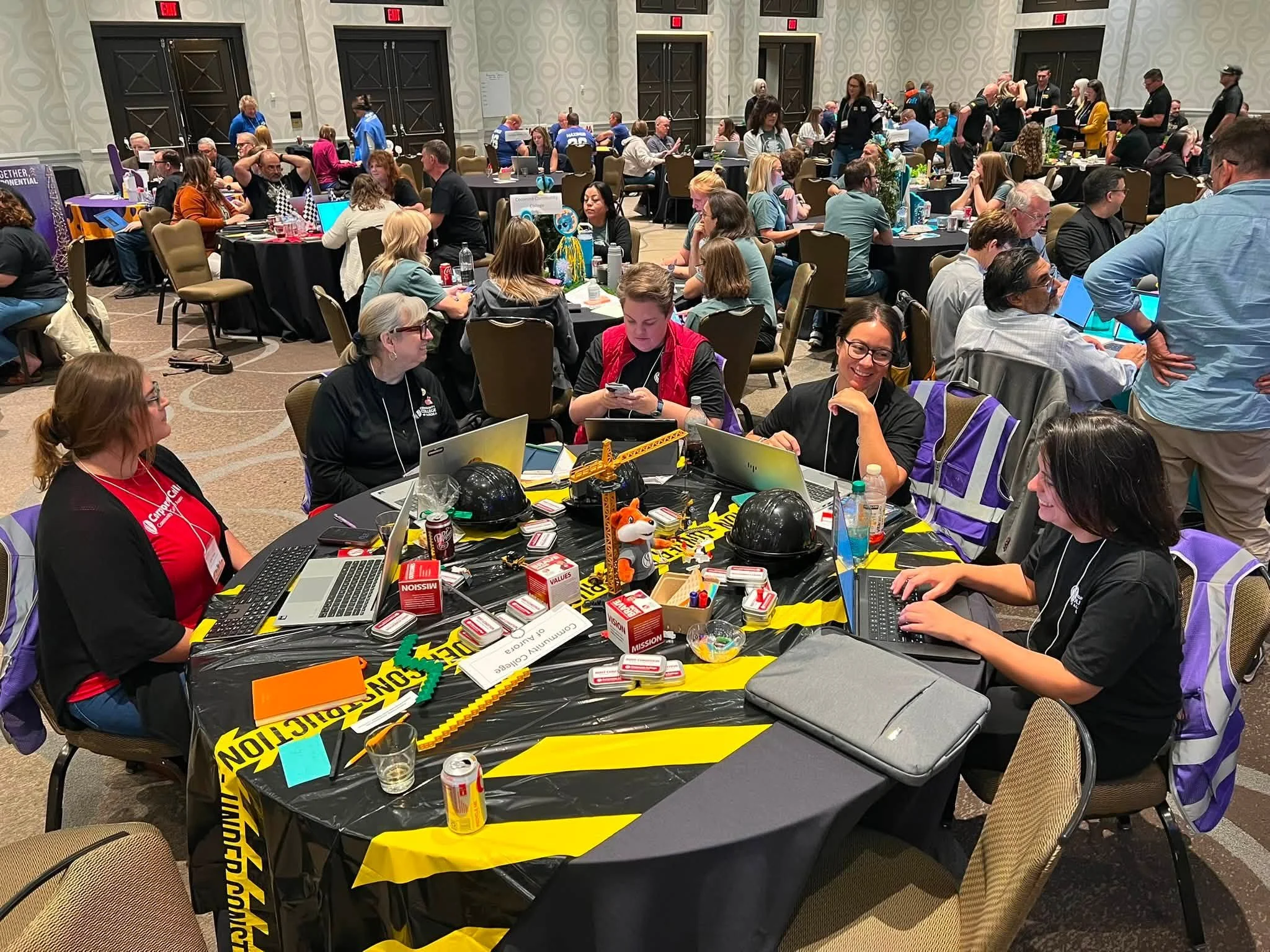
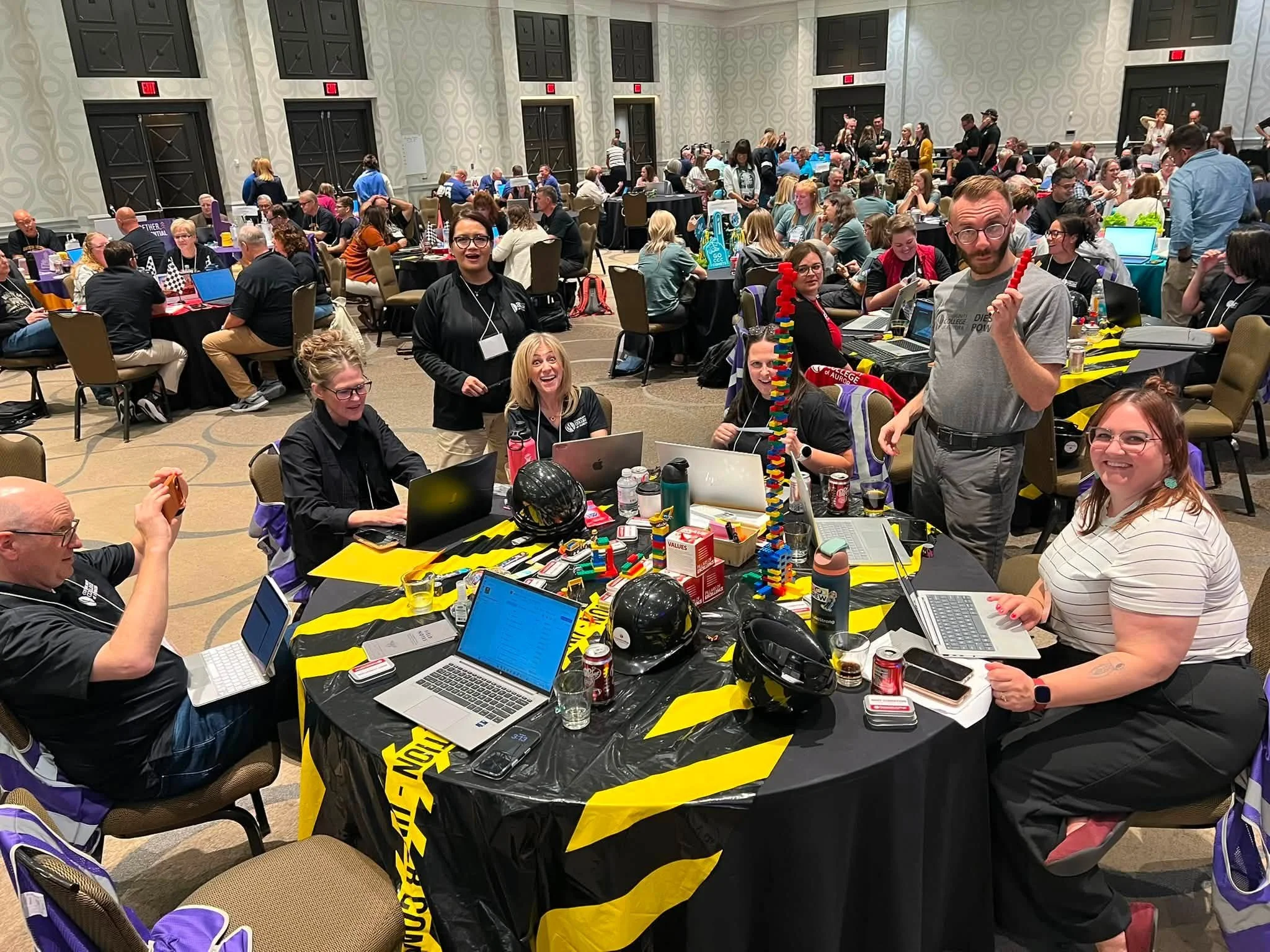
What a difference a year can make.
Last year, the Community College of Aurora participated in the Alliance for Innovation and Transformation Summer Institute with an idea: to build a Corporate College that could expand how we serve employers, strengthen workforce partnerships, and create new opportunities for our community.
One year later, that idea has become impact.
Today, the CCA Corporate College has grown into a six figure diversified revenue stream for the college, demonstrating what is possible when institutions create space for innovation, move intentionally from ideation to implementation, and remain responsive to the evolving needs of the workforce.
Now, we are back at the AFIT Summer Institute.
This time, members of our academic academy and staff are working together to take the Corporate College into its next phase. Our focus is not simply on expanding programs. We are building the systems, partnerships, and infrastructure necessary to become even more responsive to employers, learners, and the economic needs of the communities we serve.
I am incredibly grateful for the CCA team members who continue to bring their expertise, creativity, and commitment to this work. Transformation does not happen because of one person or one idea. It happens when talented people come together around a shared mission and are willing to build.
For higher education leaders who have an idea they believe could transform their institution but are searching for the structure, community, and support to move from vision to execution, AFIT is worth exploring.
Learn more about the Alliance for Innovation and Transformation: www.afithighered.com
Turning Points: Designing Colleges That Say “Yes” to Students
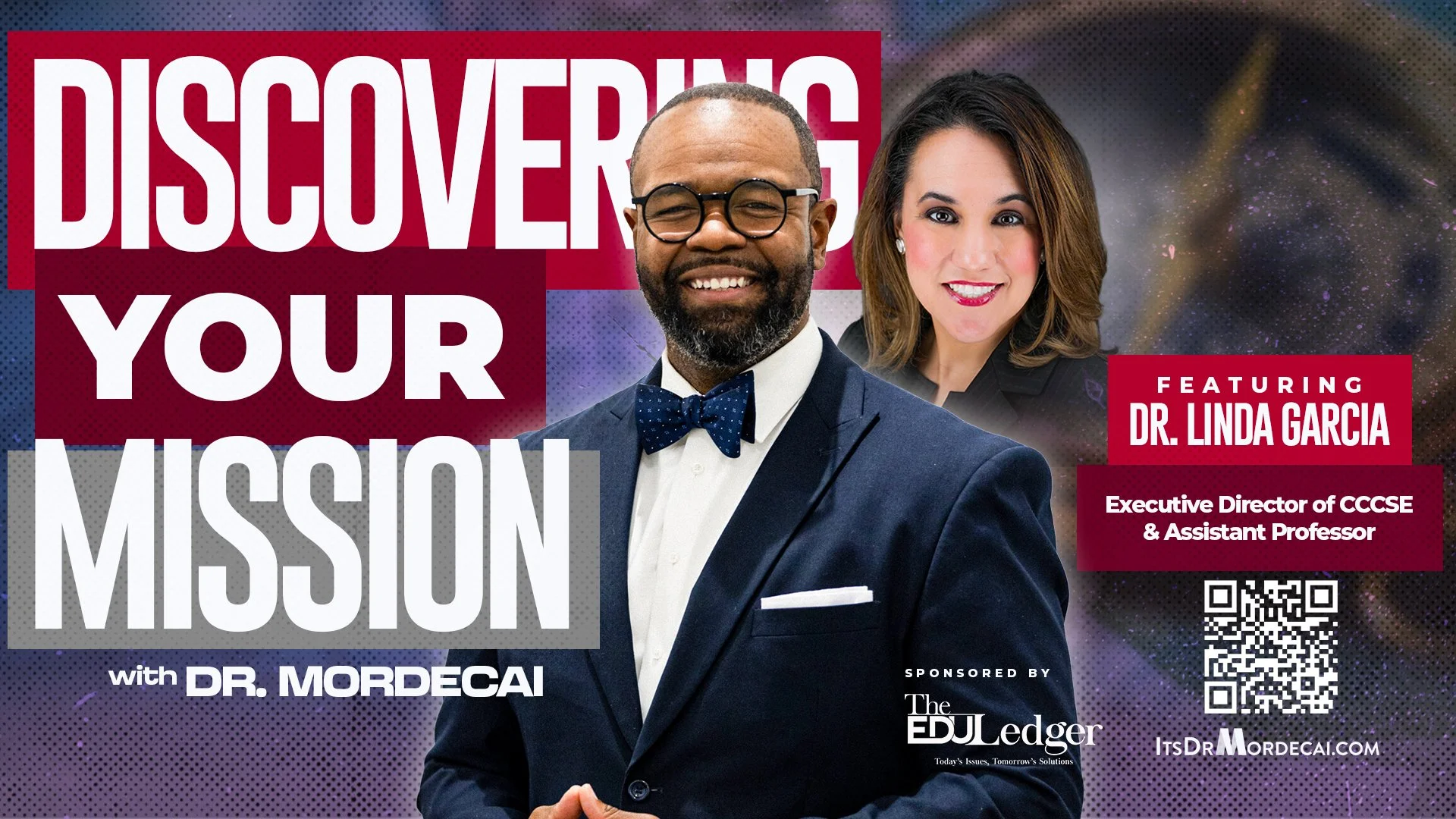
In Episode 40 of Discovering Your Mission with Dr. Mordecai, Dr. Mordecai sits down with Dr. Linda Garcia, Executive Director of the Center for Community College Student Engagement.
Together, Dr. Mordecai and Dr. Garcia explore what students are truly asking of today’s community colleges. Their conversation examines the importance of connection, the power of student voice, and why institutions must move beyond caring for students in theory and begin demonstrating that care through intentional design.
The conversation also challenges colleges to stop expecting students to navigate complicated systems on their own. Dr. Garcia explains that students do not experience institutions through organizational charts or strategic plans. They experience registration, advising, financial aid, classrooms, websites, policies, and whether someone notices when they are no longer present.
Dr. Garcia also shares how mentors, family sacrifice, and unexpected opportunities created defining turning points in her own journey. She discusses what she calls “intrusive mentoring,” the importance of viewing student data as a gift, and why community colleges must continue to be places that say “yes” to students and expand what they believe is possible.
Watch the full 40th episode of Discovering Your Mission with Dr. Mordecai featuring Dr. Linda Garcia and discover how community colleges can create stronger connections, redesign the student experience, challenge institutional assumptions, and help more students move from the start line to the finish line.
YouTube: https://youtu.be/2XLU_Gvq_CE
Back to School Event - Aurora Public Schools
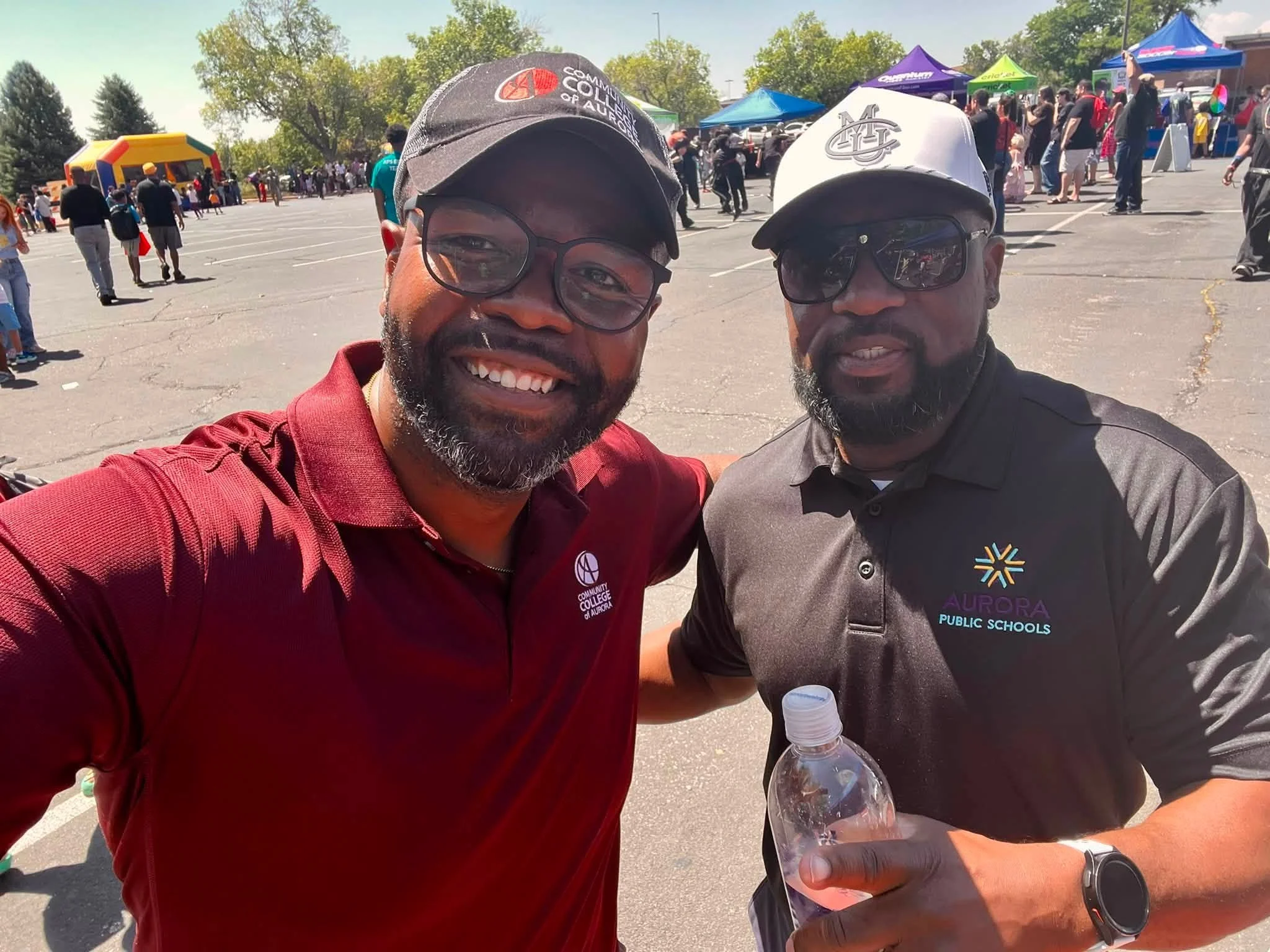
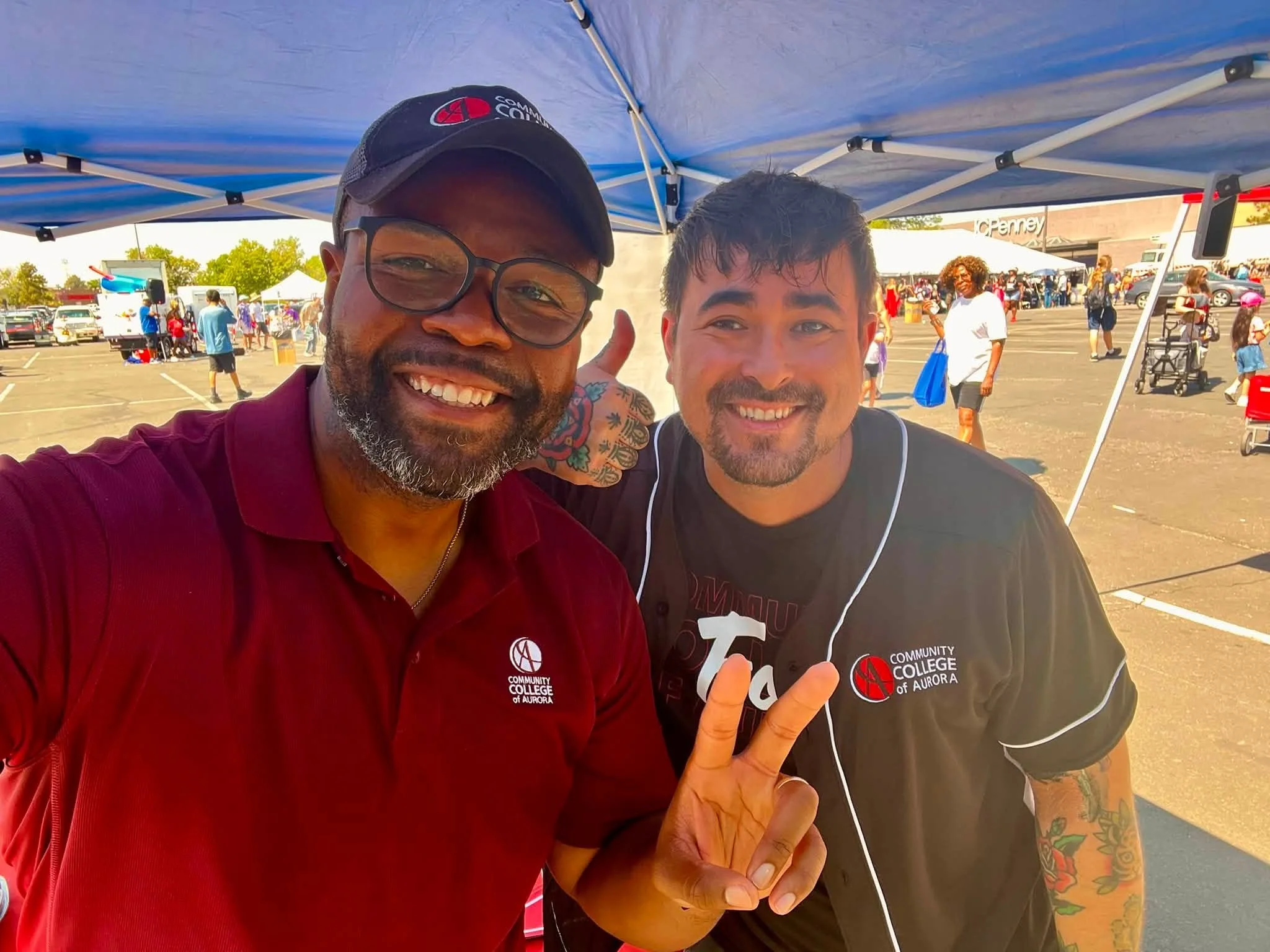
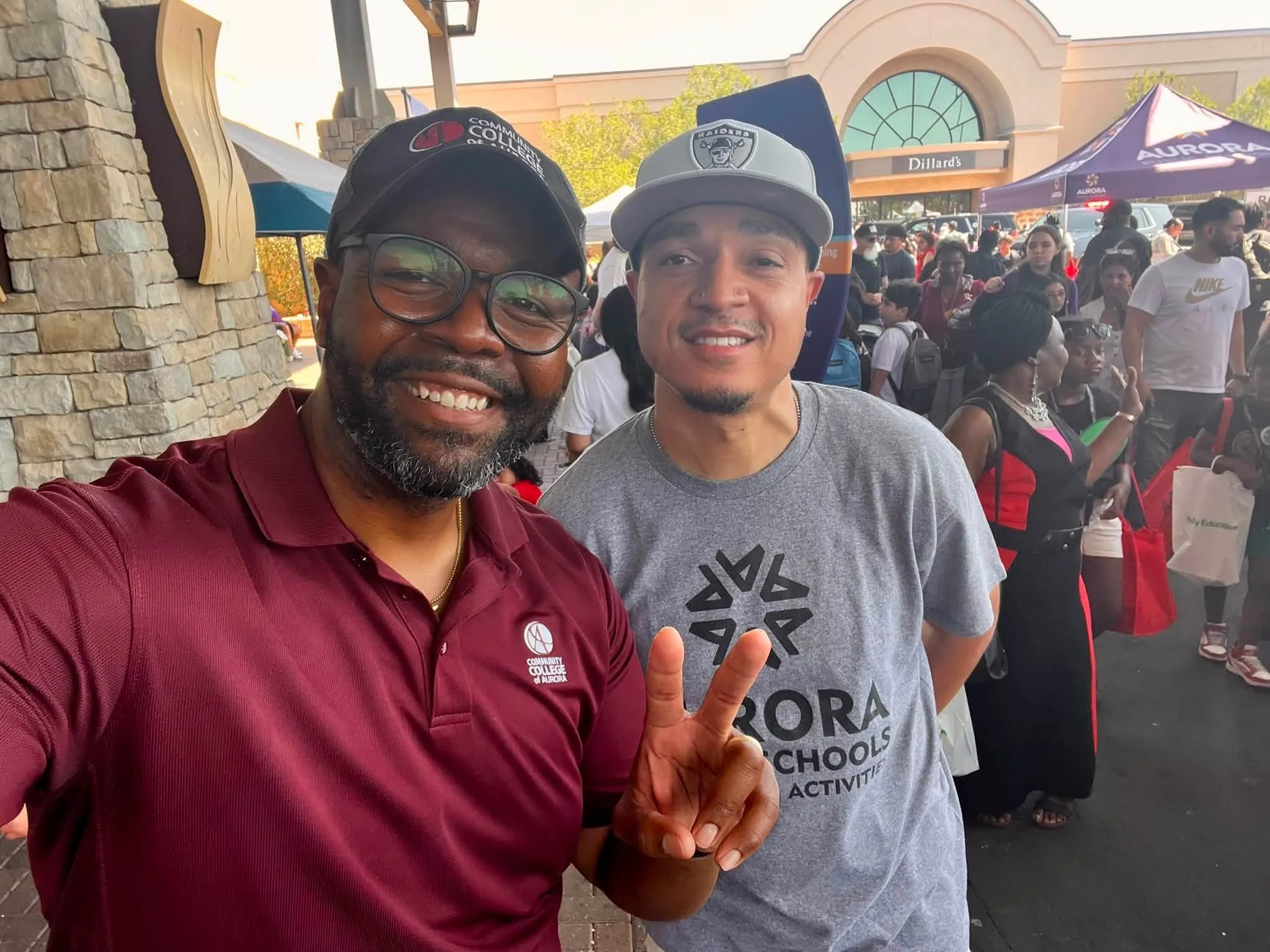
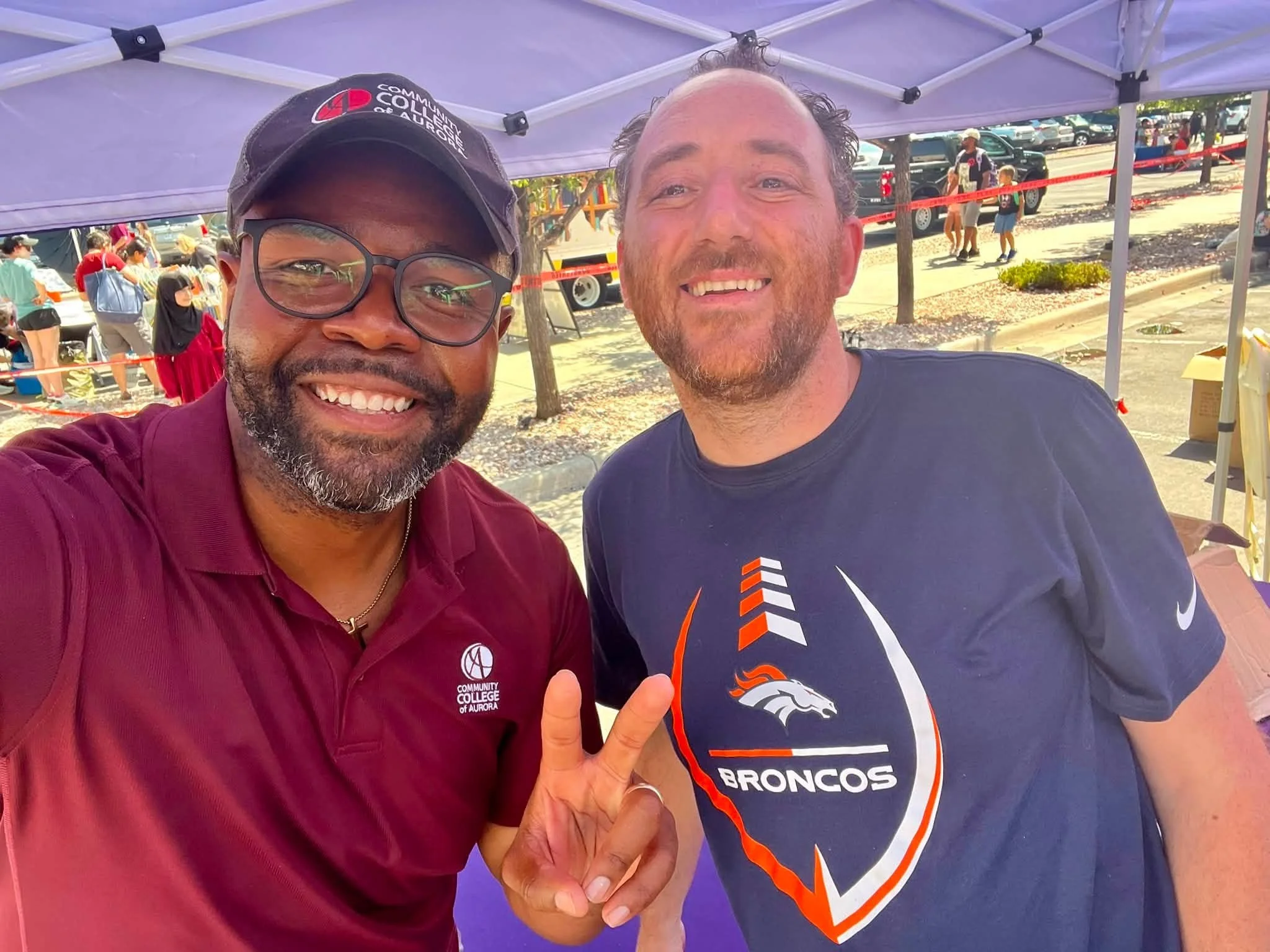
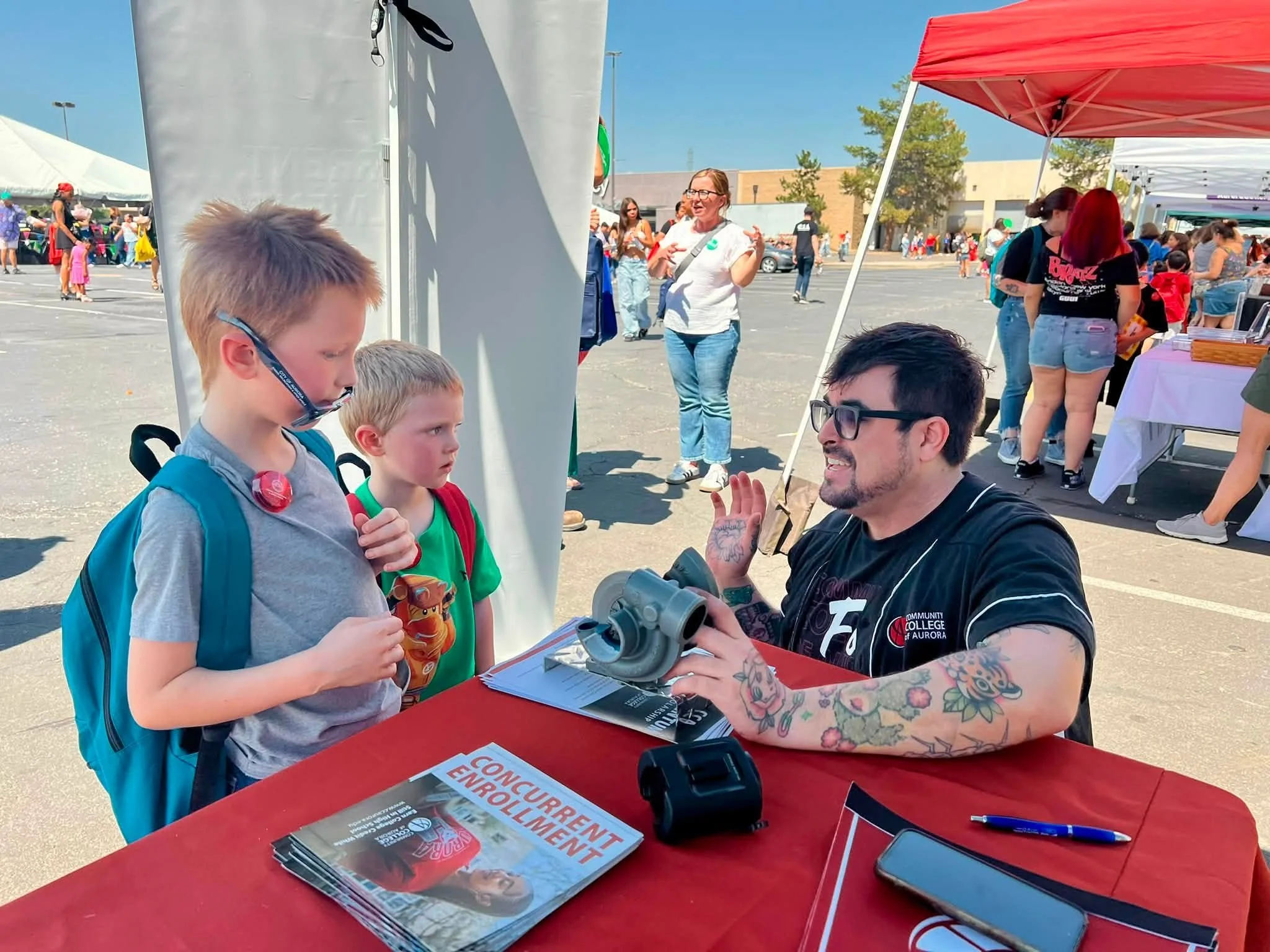
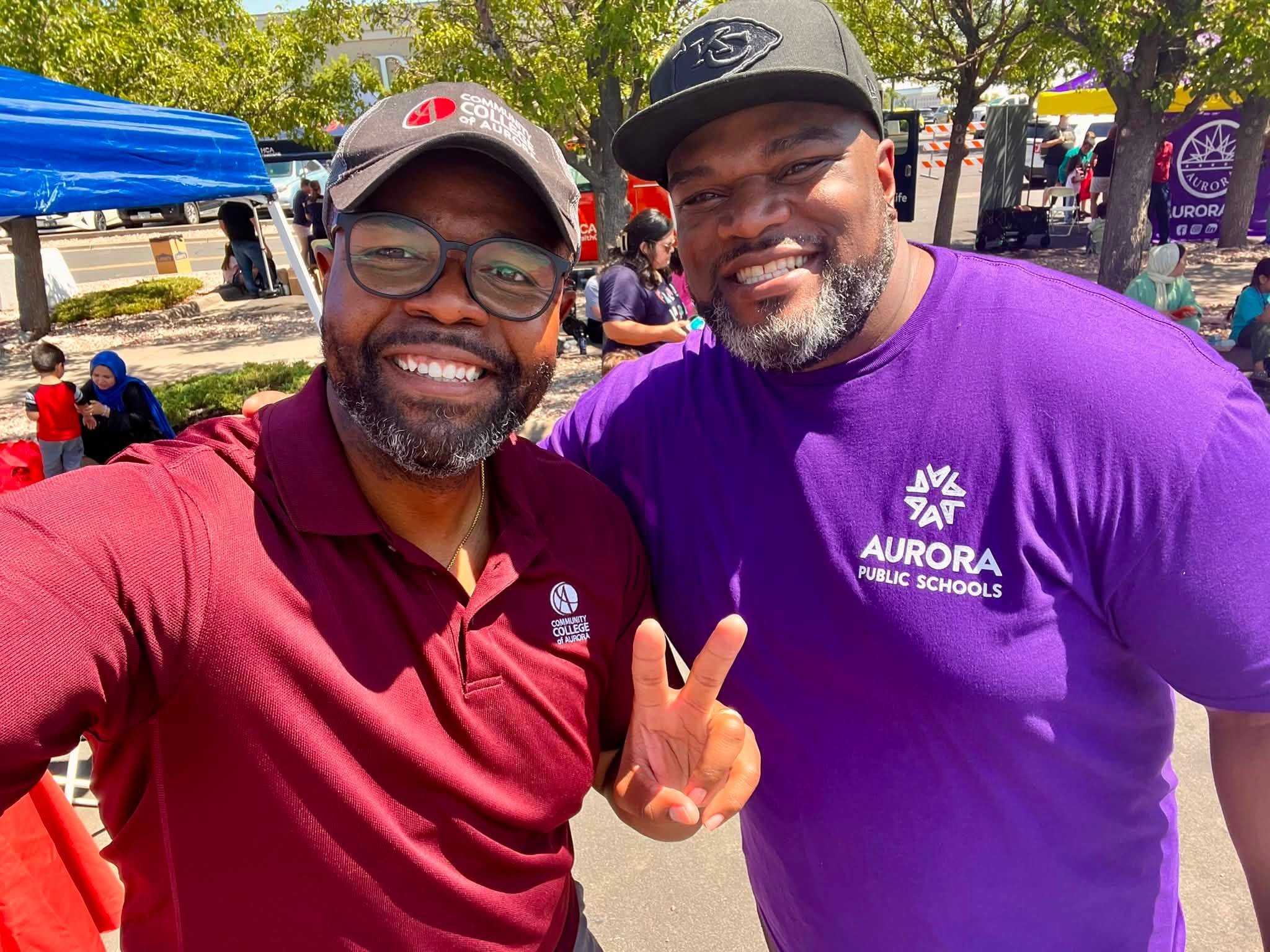

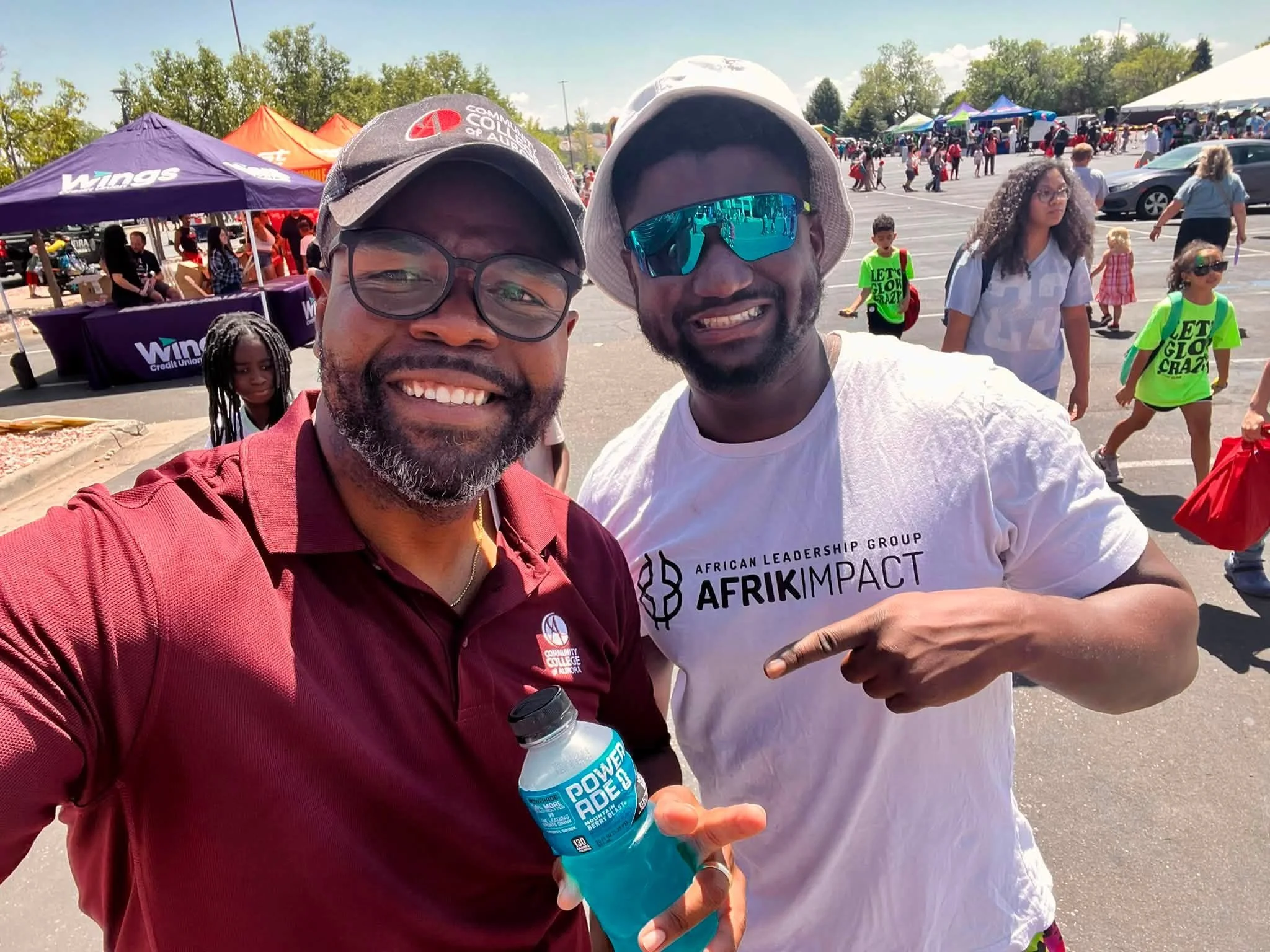
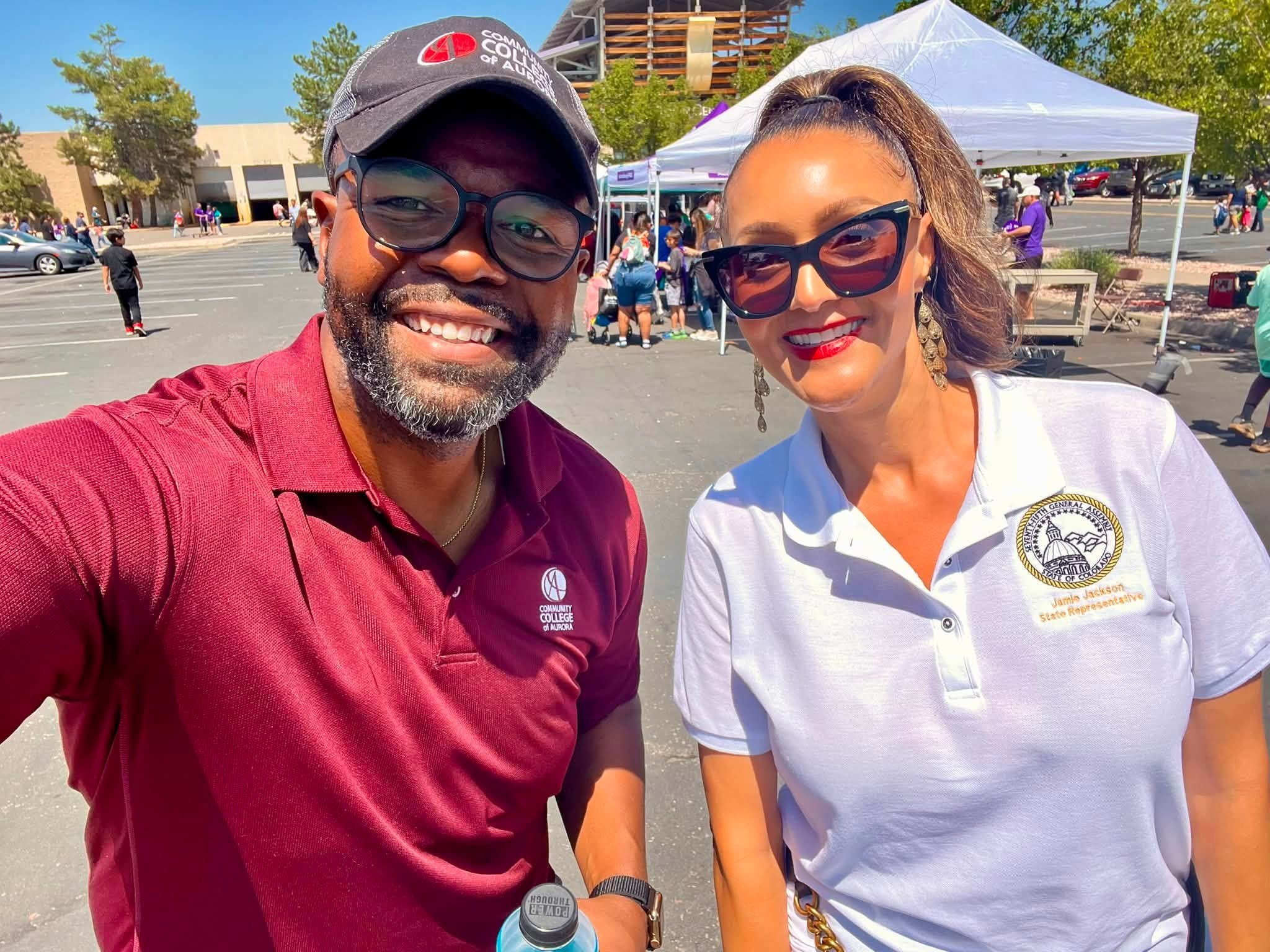
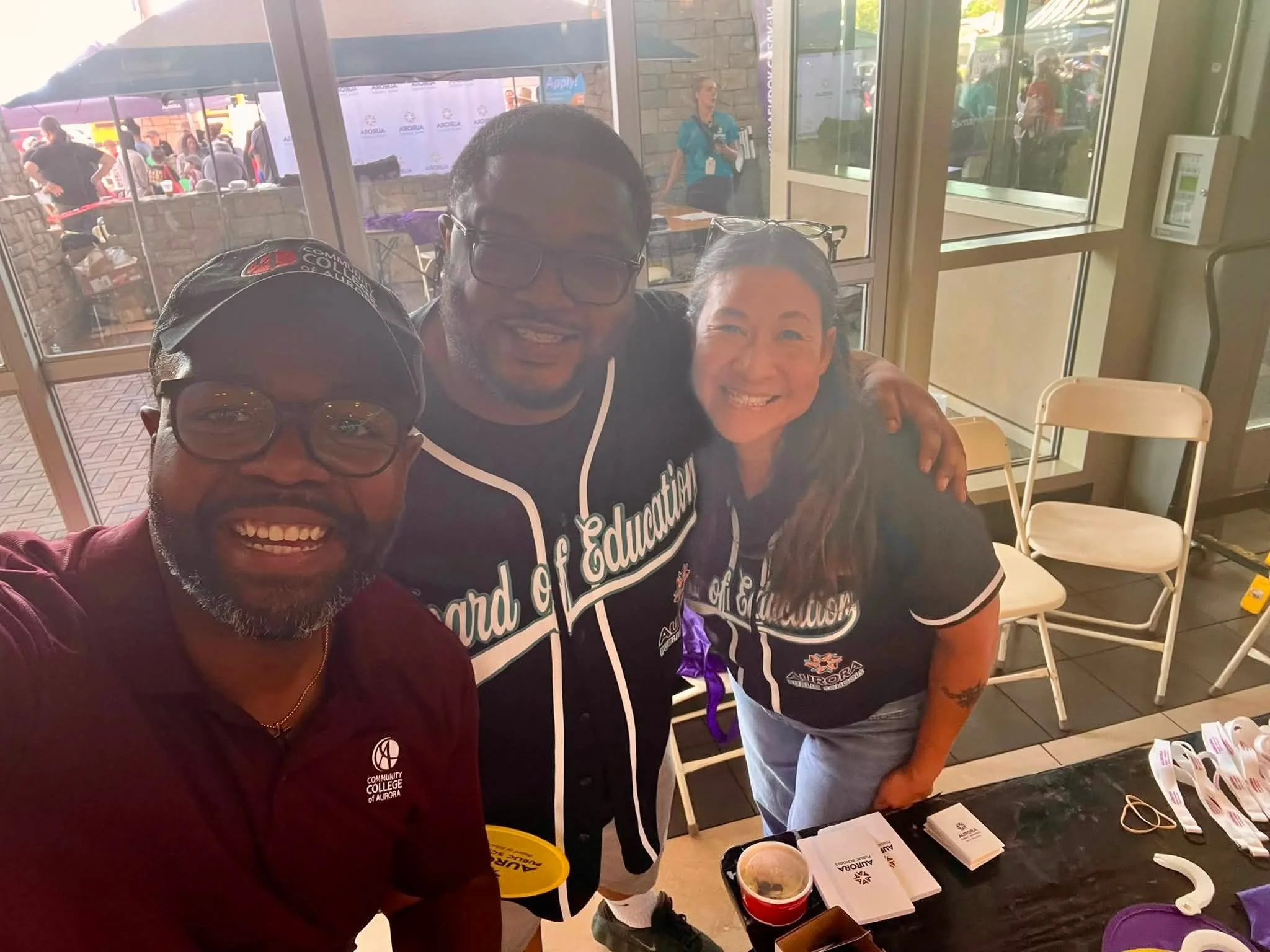
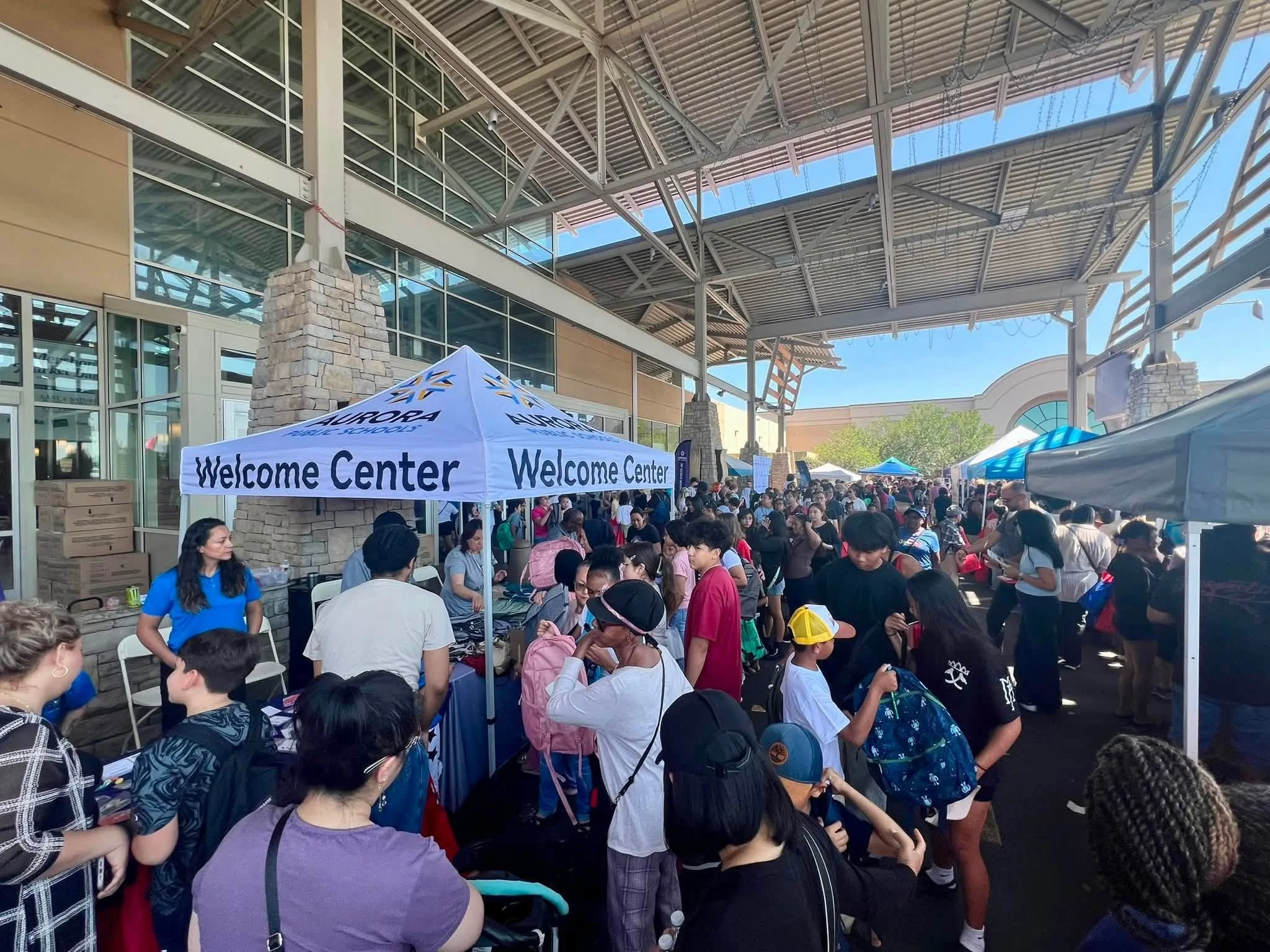
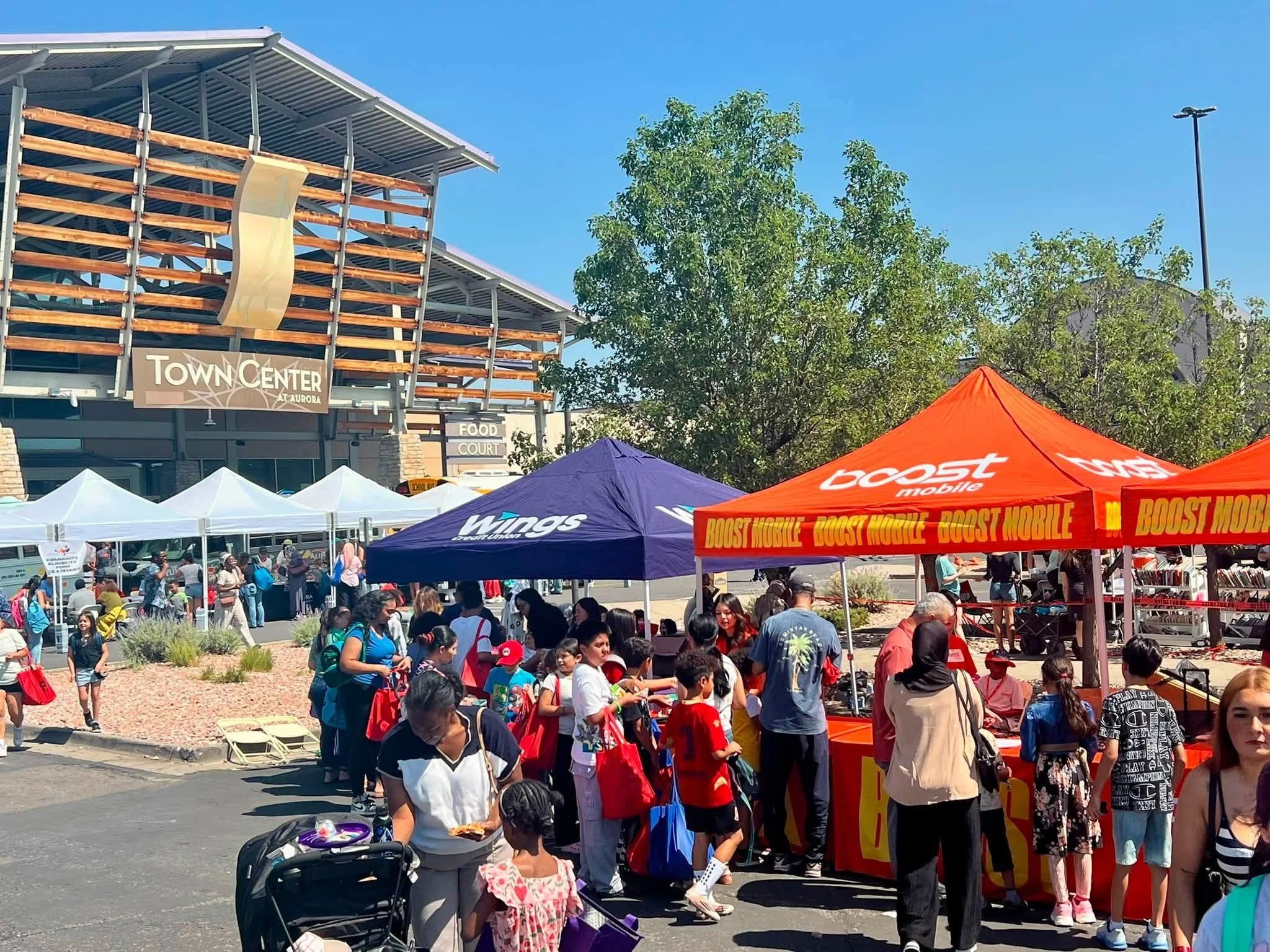

Today’s Aurora Public Schools Back to School event at Town Center at Aurora was a GRAND success. On behalf of the Community College of Aurora, it was a pleasure to support APS children and families.
-Dr. Mordecai
Why Community College Philanthropy Is Changing
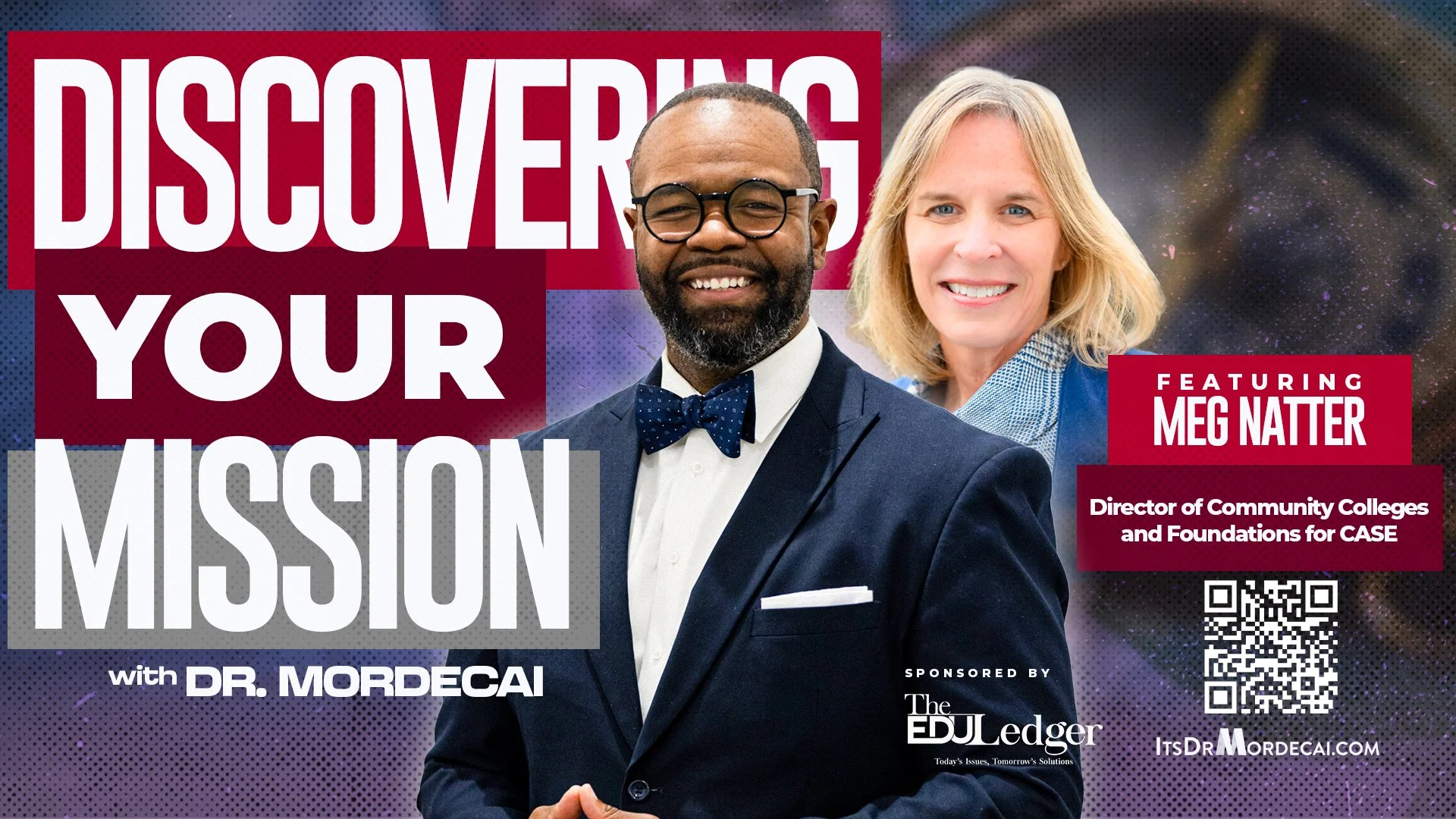
In the latest episode of Discovering Your Mission with Dr. Mordecai, Dr. Mordecai sits down with Meg Natter, Director of Community Colleges and Foundations at CASE, the Council for Advancement and Support of Education.
Together, Dr. Mordecai and Meg explore why community colleges are increasingly attracting the attention of major donors, corporations, and foundations. They also discuss the evolving role of the college president, the importance of strong partnerships between presidents and advancement leaders, and why successful foundations must do more than raise money.
The conversation also challenges institutions to move beyond transactional fundraising. Meg explains that today’s donors are seeking meaningful relationships, measurable impact, and opportunities to invest in solutions that expand economic mobility, strengthen the workforce, and remove barriers to student success.
Watch the full episode of Discovering Your Mission with Dr. Mordecai featuring Meg Natter and discover why the future of community college philanthropy will be built through relationships, strategy, institutional leadership, and a shared commitment to changing lives.
YouTube: https://youtu.be/-ObzDpHrWac
New Article Published I Community College Daily
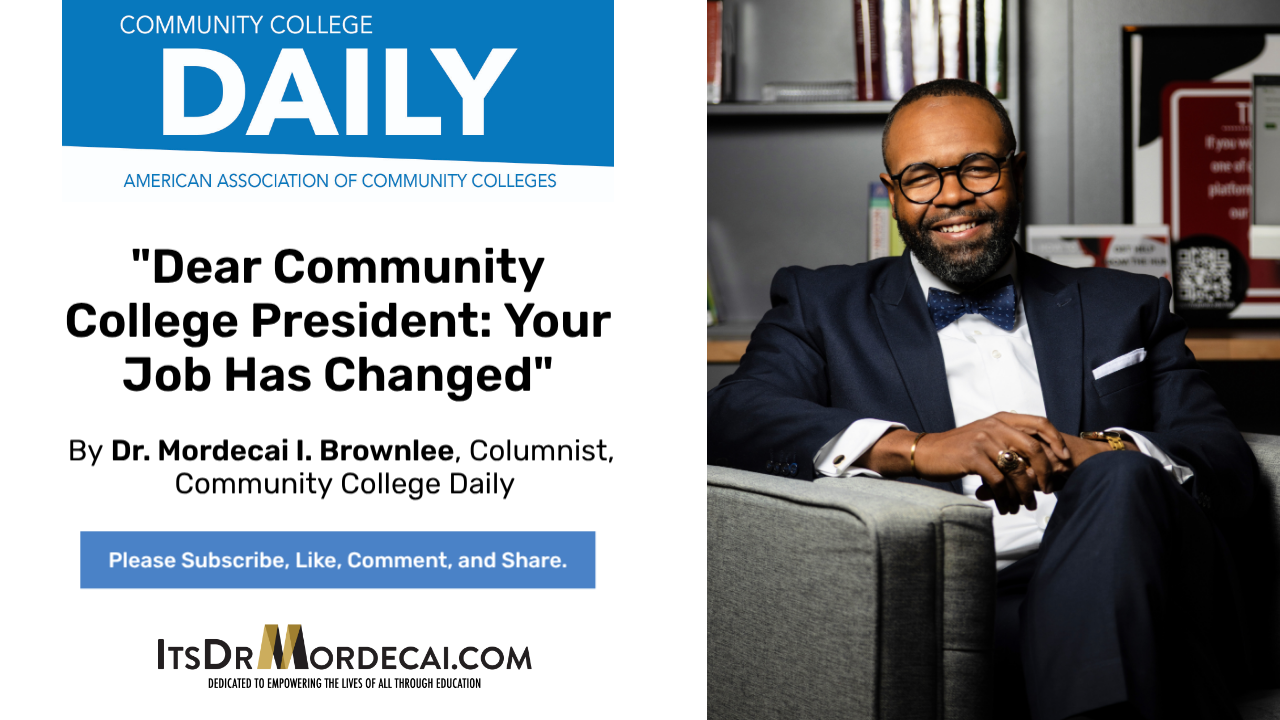
Community college leadership is evolving, and today's presidents are being called to serve in ways that extend far beyond the traditional boundaries of higher education.
In his latest column for Community College Daily, Dr. Mordecai examines how the modern community college presidency has transformed from leading a single institution to convening regional partnerships, strengthening talent ecosystems, and advancing economic mobility. The article shares that today's presidents must increasingly serve as strategic leaders who unite education, industry, government, and community organizations to address workforce challenges and create lasting opportunities for students and their communities.
Drawing upon his experience leading institutional transformation and workforce-aligned initiatives, President Brownlee offers a perspective on the changing expectations of community college leadership and the competencies that will define the next generation of presidents.
As community colleges continue to play a central role in regional economic development, this article invites presidents, trustees, policymakers, and higher education leaders to consider how the presidency must continue evolving to meet the needs of the communities they serve.
Read the full article in Community College Daily:
https://www.ccdaily.com/2026/07/dear-community-college-president-your-job-has-changed/
Quality Family Time
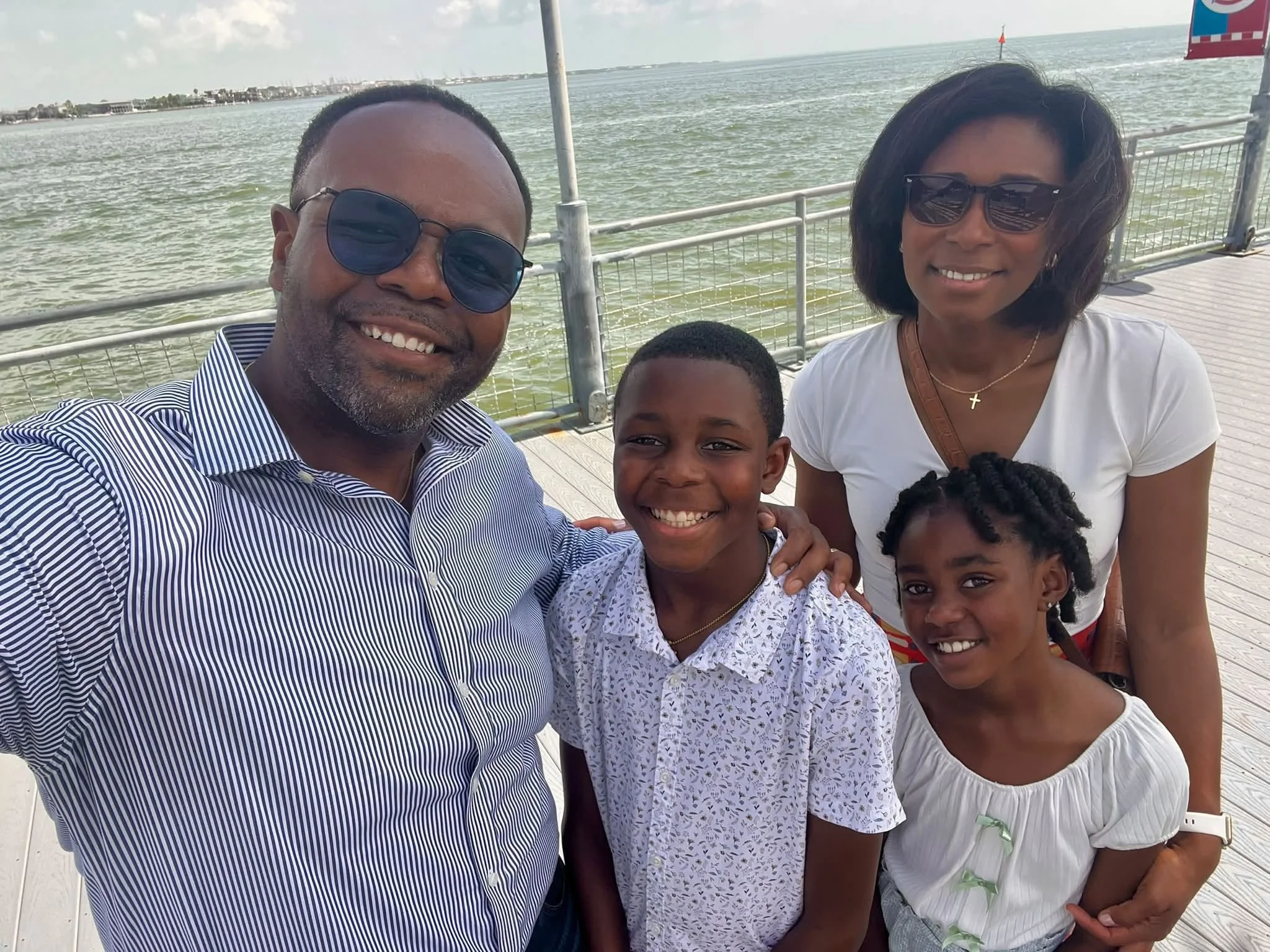
Happy Sunday, from The Brownlee Family.
Take the time, as much as possible, to remind yourself of your “why” and recenter yourself around the values that drive your actions. Your family deserves the fullness of who you are, and so do those who your serve.
God Bless.
Dr. Mordecai Represents Colorado at National Academies Summit on the Future of STEM Research
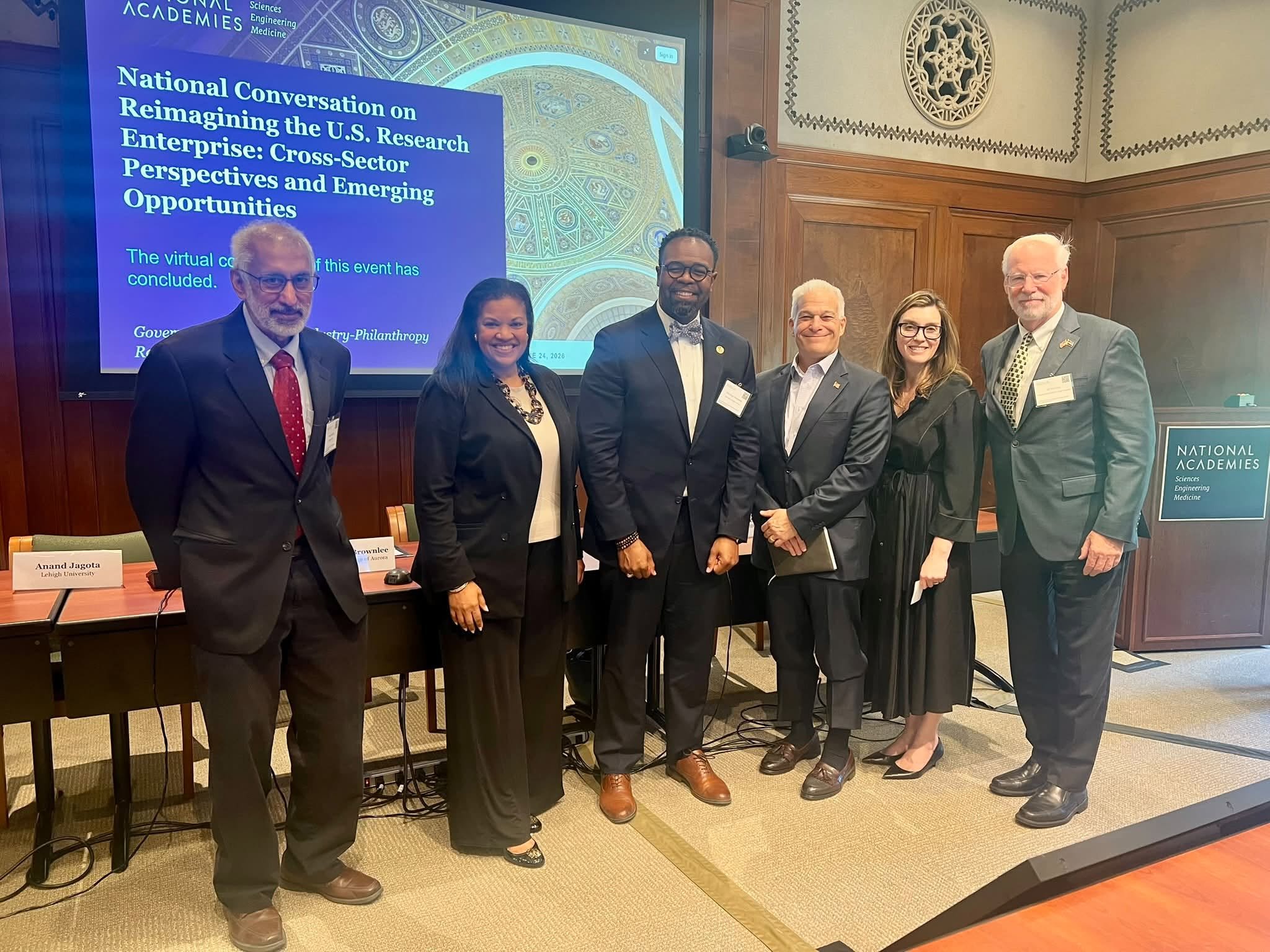
Dr. Mordecai Brownlee, President of the Community College of Aurora, recently represented the Colorado Community College System and the Community College of Aurora at the National Academies of Sciences, Engineering, and Medicine summit, “Reenvisioning the Future of STEM Research at Emerging Research Institutions”, held in Washington, D.C.
The national convening brought together higher education leaders, policymakers, and researchers from across the country to examine the evolving role of emerging research institutions and explore strategies to strengthen the nation's STEM research enterprise. Dr. Mordecai joined Colorado Department of Higher Education Executive Director JB Holston and fellow higher education leaders in a panel discussion focused on emerging opportunities within the U.S. research ecosystem.
During the discussion, President Brownlee emphasized the indispensable role community colleges play in advancing innovation, developing talent, and expanding economic opportunity. He highlighted that community colleges are not only gateways to higher education but also essential partners in preparing the workforce, fostering regional economic growth, and connecting education to the evolving needs of industry. "Community colleges are engines of innovation," Dr. Mordecai shared during the conversation. "As our nation reimagines the future of STEM research, it is critical that community colleges continue to have a seat at the table. The future of American competitiveness depends on developing talent in every community."
The summit reinforced the growing recognition that community colleges are vital contributors to America's research, innovation, and workforce development ecosystem. Through strategic partnerships with industry, government, and four-year institutions, colleges like the Community College of Aurora continue to expand opportunity, strengthen local economies, and prepare learners to thrive in a rapidly changing world.
The Future of Higher Education Is Human: A Conversation with Dr. Michael Torrance
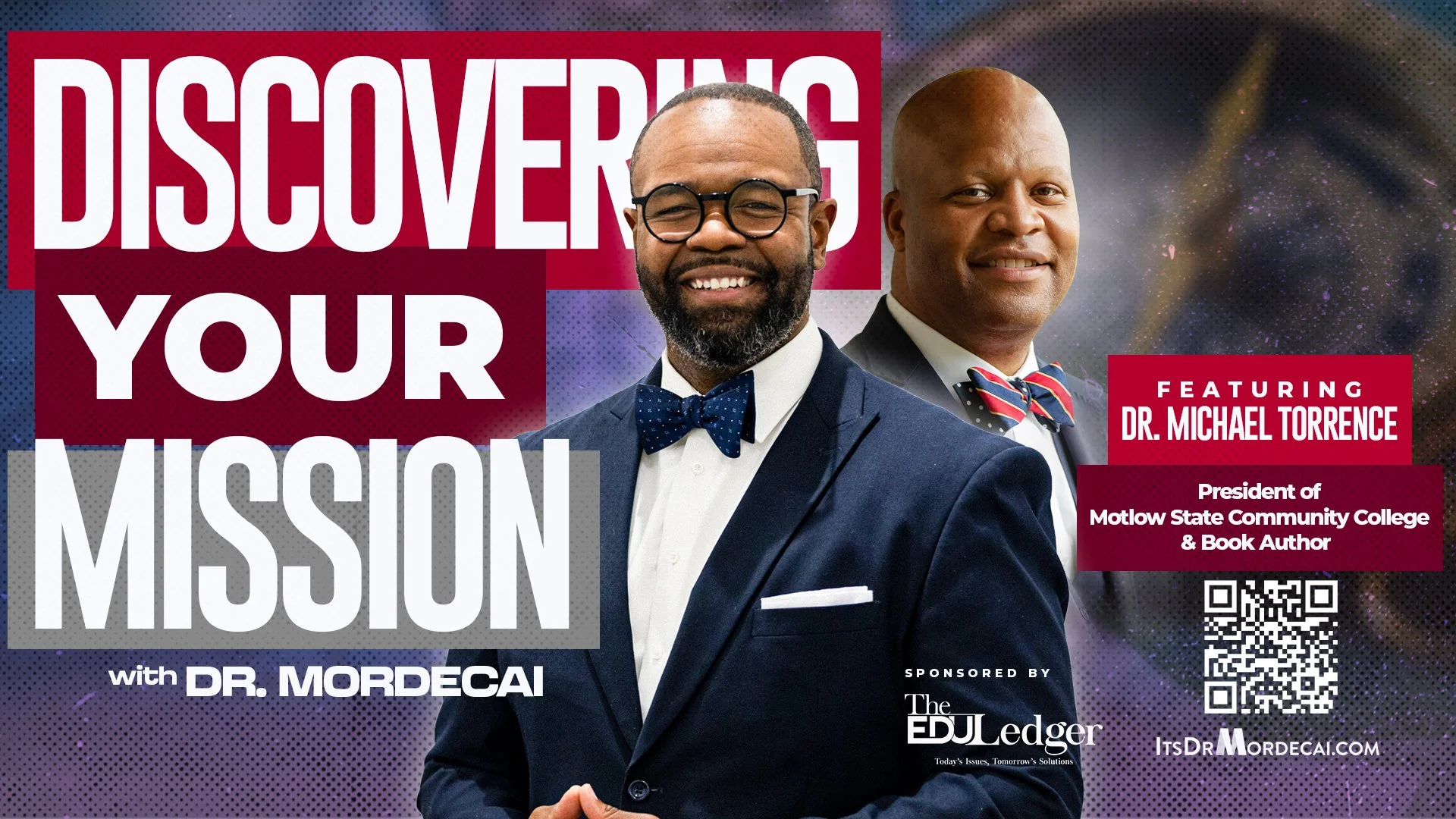
In the latest episode of Discovering Your Mission with Dr. Mordecai, Dr. Mordecai sits down with Dr. Michael Torrance, President of Motlow State Community College, U.S. Air Force veteran, author, and nationally recognized voice on AI and workforce innovation.
Together, they explore how community colleges are uniquely positioned to prepare students for an evolving economy while keeping people at the center of innovation. One of the most memorable moments comes when Dr. Torrance states: "The students don't need to be prepared for the institution. The institution better be prepared for the students that are coming."
The conversation examines how artificial intelligence can strengthen teaching and learning, support workforce development, empower rural communities, and help institutions better serve today's learners. Dr. Torrance also challenges higher education leaders to redefine success by measuring community impact, economic mobility, and workforce readiness instead of simply enrollment and completion.
Watch the full episode of Discovering Your Mission with Dr. Mordecai featuring Dr. Michael Torrance and discover why the future of higher education is, above all, human.
YouTube: https://youtu.be/oAn0iWoxaPc
Congressional Recognition Highlights the Power of Partnership and Opportunity
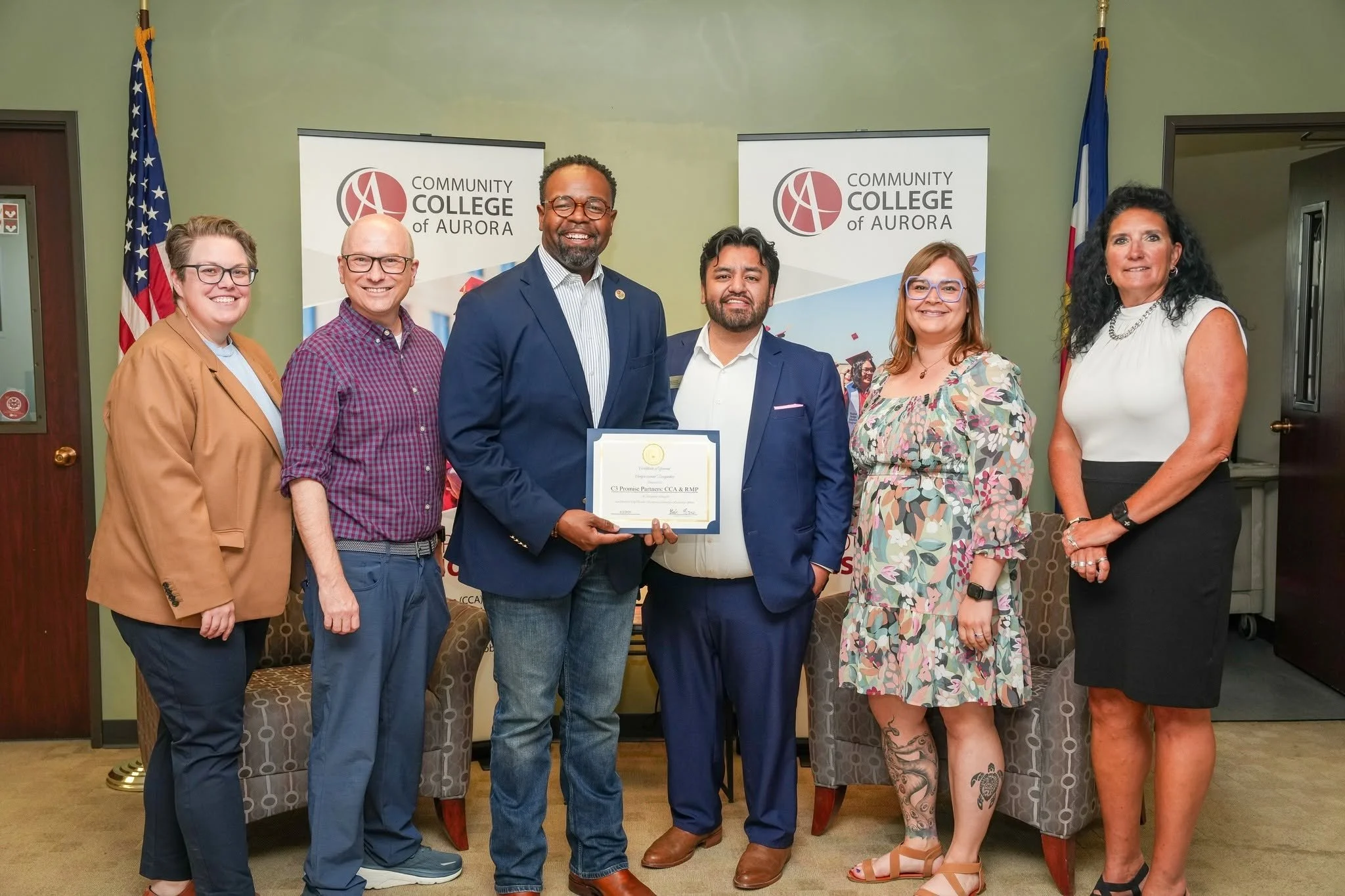
The Community College of Aurora (CCA) continues to earn recognition for its commitment to expanding opportunity and strengthening Colorado's workforce.
Following CCA's receipt of the City of Commerce City's Economic Development Leadership Award this spring, the college was presented with a Congressional Recognition by Congressman Gabe Evans' office, acknowledging the impact of the innovative Commerce City Promise initiative.
The recognition underscores the transformative potential of partnerships between higher education, local government, and community leaders. Designed to remove financial barriers and expand access to education and workforce training, Commerce City Promise reflects CCA's ongoing commitment to preparing learners for careers that strengthen both families and regional economies.
"Community colleges have always been engines of opportunity," said Dr. Mordecai Brownlee, President of the Community College of Aurora. "Today, they are also engines of economic development. When communities invest in education, they invest in the future workforce, stronger local businesses, and greater economic mobility for generations to come."
Under Dr. Brownlee's leadership, CCA has continued to position itself as a national model for workforce innovation by developing strategic partnerships that connect education directly to regional talent needs. Commerce City Promise represents one of those efforts, creating pathways that empower learners while supporting the long-term economic vitality of the community.
Dr. Brownlee expressed gratitude to the City of Commerce City, Congressman Gabe Evans' office, CCA faculty and staff, and the many community partners whose collaboration made the program possible.
"This recognition belongs to every educator, staff member, partner, and student who believed that expanding opportunity could transform lives," Brownlee said. "Together, we are demonstrating what is possible when higher education and communities work together with a shared purpose."
As CCA continues to advance innovative workforce solutions, recognitions like these serve as reminders that meaningful partnerships create lasting impact—one student, one family, and one community at a time.
Learn more about the Commerce City Promise program here.
From Credentials to Opportunity: Dr. Mordecai Brownlee Addresses Alabama Community College Presidents on the Future of Workforce Development
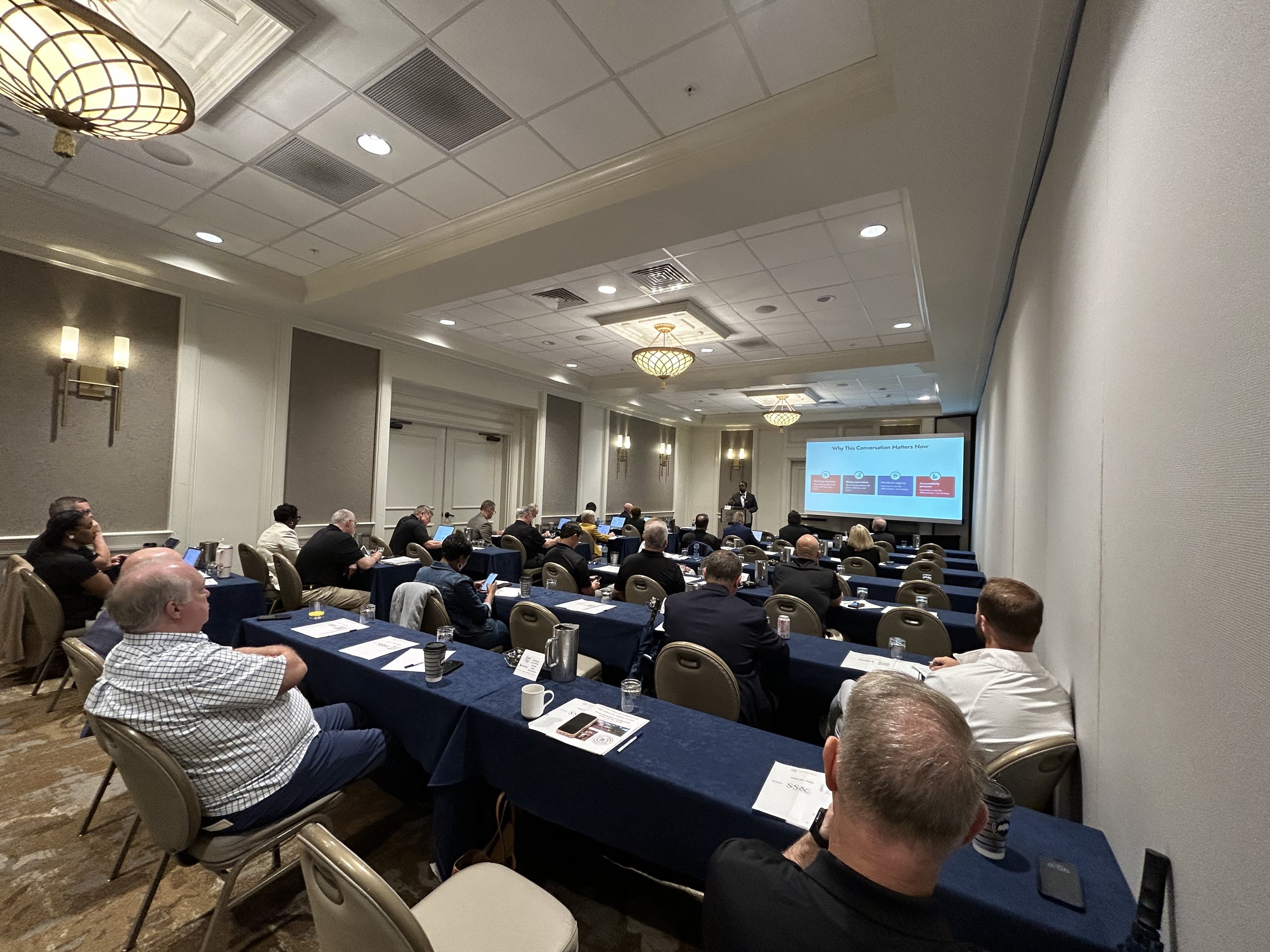
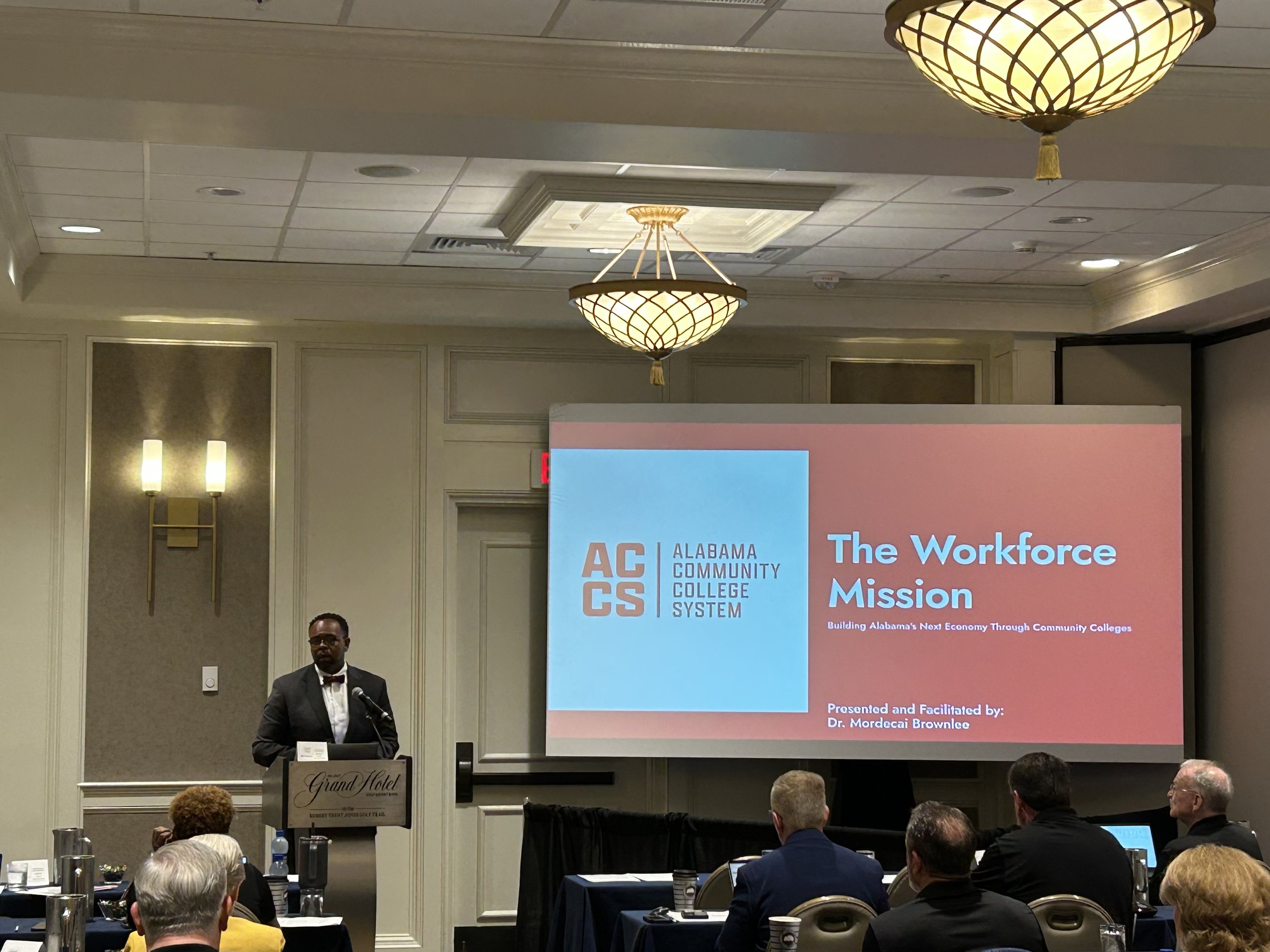
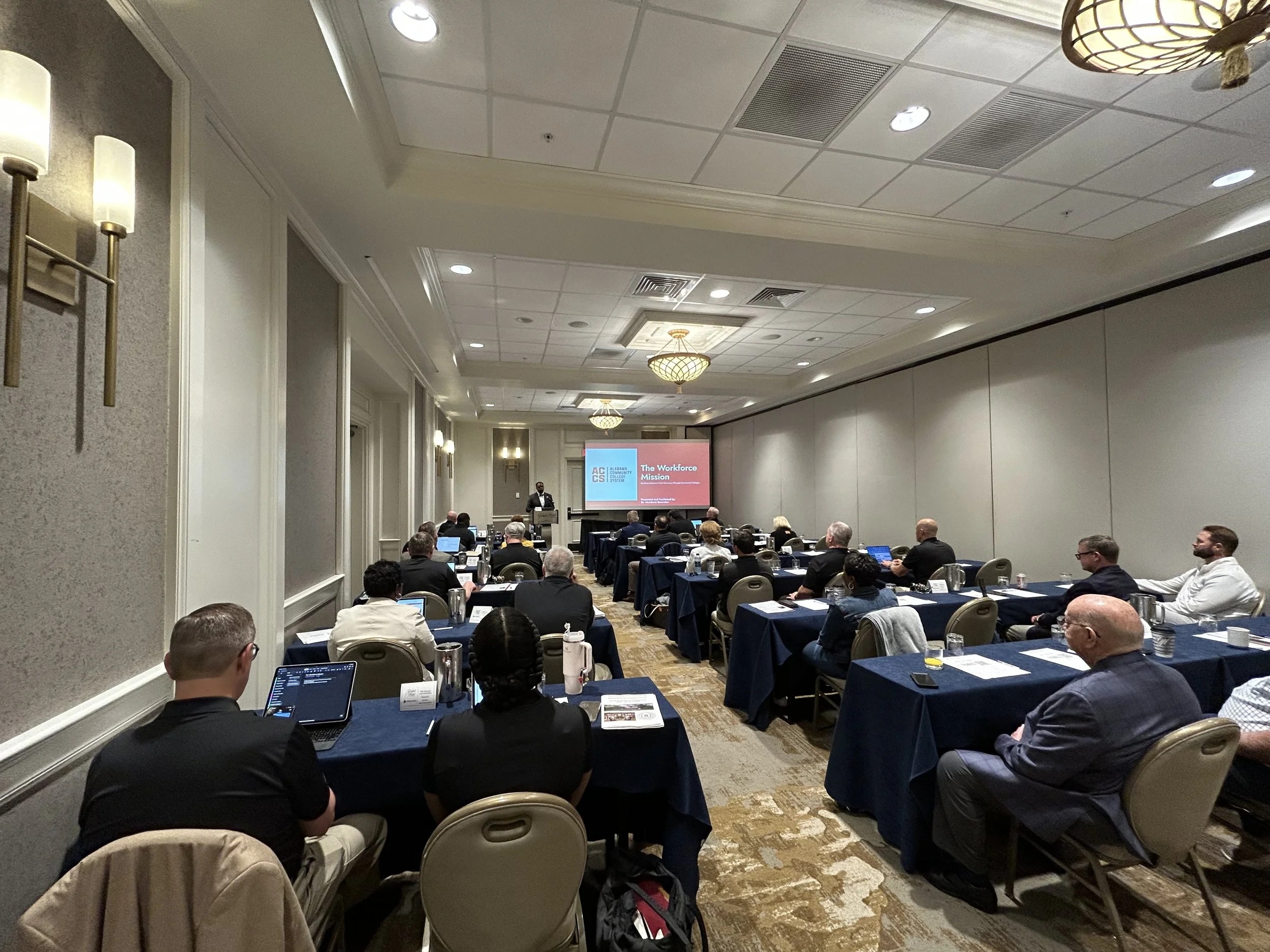
FAIRHOPE, ALABAMA — Dr. Mordecai Brownlee, President of the Community College of Aurora, recently joined the presidents of the Alabama Community College System for a leadership discussion focused on the evolving role of community colleges in workforce development, economic mobility, and talent cultivation.
Led by Jimmy H. Baker, Chancellor of the Alabama Community College System, Dr. Brownlee delivered a presentation that challenged higher education leaders to reconsider how institutional success is measured in an era increasingly defined by workforce outcomes and economic impact.
Drawing upon themes from his recent national speaking engagements and published thought leadership, Dr. Brownlee emphasized that the future of community colleges extends beyond enrollment, retention, and credential attainment. Instead, institutions must increasingly position themselves as comprehensive talent development systems that connect learners to meaningful employment, support regional economic growth, and create pathways to long-term prosperity.
"Community colleges occupy a unique position within the American economy," Dr. Brownlee shared during his remarks. "We sit at the intersection of education, workforce development, economic mobility, and community advancement. Our responsibility is not simply to award credentials, but to ensure those credentials lead to opportunity."
Throughout the presentation, Dr. Brownlee encouraged college leaders to strengthen partnerships with employers, align academic offerings with workforce demand, and adopt outcome measures that more directly reflect employment and wage progression. He noted that as policymakers and industry leaders increasingly focus on workforce outcomes, community colleges have an opportunity to demonstrate their value as engines of talent development and economic mobility.
The discussion also explored the changing expectations of learners and employers, the growing importance of industry partnerships, and the role community colleges can play in helping regions address workforce shortages while expanding access to family-sustaining careers.
Following the engagement, Dr. Brownlee expressed appreciation for the opportunity to learn alongside leaders from across Alabama and praised the system's commitment to innovation and student success.
"Alabama's community college leaders are engaging in important conversations about the future of education and workforce development," Dr. Brownlee said. "Their willingness to embrace change while remaining focused on student opportunity is both encouraging and inspiring."
Dr. Brownlee also extended special gratitude to Chancellor Baker for his leadership and for fostering a culture of collaboration and innovation throughout Alabama's community college system.
As states across the nation continue to examine how education institutions contribute to workforce readiness and economic competitiveness, Dr. Brownlee remains committed to advancing conversations that position community colleges as catalysts for individual achievement, community prosperity, and national economic growth.
Date Night With a Purpose

Some evenings remind you that leadership is not about titles. It is about community.
My wife, Daphne, and I were honored to attend the Colorado Men of Color Collaborative (CMOCC) All White Party in representation of the Community College of Aurora and spend time with educators, advocates, and leaders committed to expanding opportunity throughout our state.
I want to extend my deepest appreciation to Dr. Fernando Branch and Dr. Jeremy L. Eddie.
What they are building is bigger than an organization. They are cultivating a statewide community of educators across K-12, higher education, and workforce development who understand that talent is everywhere, but opportunity must be intentionally created.
They are reminding us that our responsibility is not simply to educate. Our responsibility is to create pathways to economic mobility.
Learn more about their movement at www.CMOCC.org
-Dr. Mordecai